
(“ਮਟਕ (Matak)” conveys a sense of graceful swaying, often associated with delicate, expressive bodily movement imbued with aesthetic charm. “ਹੁਲਾਰੇ ” suggests waves, impulses, or rhythmic surges—frequently evoking emotional or kinetic undulations.)
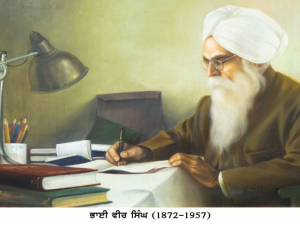
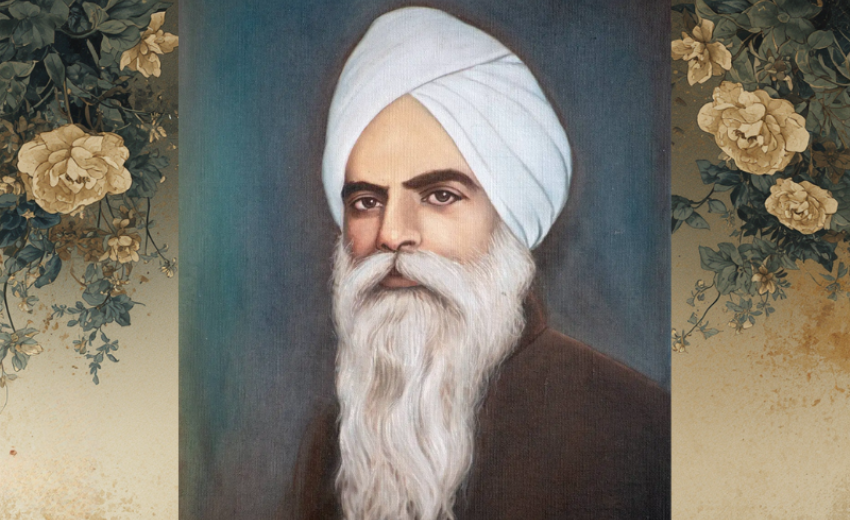
Bhai Vir Singh Ji's poetry on Kashmir divided into three main headings namely:
ਰਸ ਰੰਗ ਛੁਹ (Ras Rang Chhuh)
“The Aesthetic Touch of Chromatic Essence”
ਪੱਥਰ ਕੰਬਣੀਆਂ (Pathar Kambaniā̃)
“The Trembling of Stones”
ਕਸ਼ਮੀਰ ਨਜ਼ਾਰੇ (Kashmir Nazāre)
“Visions of Kashmir”
These titles exemplify Bhai Vir Singh’s distinctive poetic idiom, where sensory experience is elevated into spiritual-aesthetic perception. His corpus of approximately fifty-seven poems composed in the Kashmir Valley transforms the natural landscape into a site of mystical awareness, where even inert matter (“stones”) acquires emotional and spiritual responsiveness, and aesthetic experience (rasa) becomes a mode of divine encounter.
The poetry of Bhai Vir Singh, particularly as reflected in the Kashmir Nazāre compositions, represents a profound synthesis of nature, spirituality, and aesthetic consciousness within the broader framework of Sikh mystical poetics. Written during his sojourn in the Kashmir Valley, these poems are not merely descriptive accounts of landscape but embody a deeply contemplative engagement with nature as a living, sacred presence. In these verses, nature is transformed into a dynamic, almost liturgical space—a “Rāg Mandir” of the Divine—where sensory perception converges with metaphysical insight. Bhai Vir Singh’s poetic vision reveals an acute sensitivity to the idea of cosmic resonance and aesthetic experience, wherein the “formless sound” of nature finds expression through lyrical articulation. His imagery of flowing rivers, blossoming flowers, and luminous skies is not decorative; rather, it serves as a medium for the poet’s inward dissolution into a larger, all-encompassing reality.
The idea of a “poet–nature confluence” in these works signifies a heightened state of awareness, approaching mystical absorption. At times, this experience assumes an intensity comparable to devotional ecstasy, where distinctions between the observer and the observed dissolve. The resulting poetry is marked by a subtle interplay between inner feeling and outer vision, producing a lyrical mode that is both intimate and expansive. Kashmir Nazāre, envisioned as a “garland of pearls,” encapsulates this experiential richness. Each poem stands as a distinct yet interconnected unit, reflecting the diversity of natural forms while pointing toward an underlying unity. Recurring motifs of spring, light, and flowing water evoke a vision of reality as a harmonious, integrated whole.
From the perspective of a Kashmiri Sikh reader, engagement with these poems gains an added dimension of immediacy and authenticity. The landscapes described are not distant imaginings but lived environments, allowing for a more intimate and grounded interpretation. In this sense, Bhai Vir Singh’s Kashmir poetry becomes a confluence of place, spiritual consciousness, and poetic expression, where the external beauty of Kashmir mirrors an inner illumination. In essence, these poems stand as refined expressions of Sikh romantic–mystical poetics, where nature is not merely observed but realized, not merely depicted but experienced, and ultimately internalized as a mode of spiritual awareness.
The present work represents a careful and methodical engagement with the poetry of Bhai Vir Singh. In undertaking this study, I have sought to preserve both the linguistic texture and the aesthetic-spiritual depth of the original compositions.
Each poem has been presented in a structured sequence: the original Punjabi text is given first, followed by its transliteration to facilitate phonetic accessibility for a wider readership. This is then accompanied by an English translation that aspires not merely to convey literal meaning, but to retain, as far as possible, the tonal subtlety, symbolic richness, and contemplative resonance of the source text. Finally, a brief critical commentary is offered to illuminate the thematic concerns, poetic devices, and underlying mystical sensibility embedded within each composition.
While every effort has been made to remain faithful to the original, the translations inevitably reflect an interpretive engagement shaped by my own reading and cultural location. As a reader situated within the landscape of the Kashmir Valley, I have approached these poems not only as literary artifacts but as lived experiences, where the natural environment and poetic imagination converge.
This work, therefore, should be understood as both a translation and a reflective dialogue with Bhai Vir Singh’s Kashmir poetry—an attempt to render its enduring beauty and spiritual depth accessible within an English scholarly framework.
ਰਸ-ਰੰਗ ਛੁਹ
- ਵਿੱਛੁੜੀ ਕੂੰਜ
ਮਿੱਠੇ ਤਾਂ ਲੱਗਦੇ ਮੈਨੂੰ
ਫੁੱਲਾਂ ਦੇ ਹੁਲਾਰੇ,
ਜਾਨ ਮੇਰੀ ਪਰ ਕੁੱਸਦੀ।
Transliteration
Vichhuṛī kūnj
Miṭṭhe tā̃ lagde mainū̃
phullā̃ de hulāre,
jān merī par kussdī.
Translation
The Separated Crane
Sweet, indeed, appear to me
the gentle sways of flowers;
yet my very soul withers within.
Brief Critical Commentary
This compact lyric exemplifies the expressive economy of Punjabi poetics, where minimal imagery yields profound emotional resonance. The central symbol of the “ਵਿੱਛੁੜੀ ਕੂੰਜ” (separated crane) draws upon a long-standing cultural and literary motif: the crane, often depicted in pairs, conventionally signifies fidelity and companionship. Its separation therefore becomes an immediate metaphor for ਵਿਛੋੜਾ (the pain of separation).
The juxtaposition between external sweetness and internal anguish forms the poem’s emotional core. While “ਫੁੱਲਾਂ ਦੇ ਹੁਲਾਰੇ” (the gentle swaying of flowers) evoke sensory delight and the vitality of nature, the concluding line—“ਜਾਨ ਮੇਰੀ ਪਰ ਕੁੱਸਦੀ”—introduces a stark counterpoint, revealing an inward state of suffocation. This contrast underscores a classical theme: nature remains indifferent to human sorrow, or even intensifies it by highlighting the lover’s isolation.
Stylistically, the poem relies on suggestiveness rather than elaboration, aligning with the Punjabi lyrical tradition where emotional depth is conveyed through symbolic compression. The absence of explicit narrative allows the image of the separated crane to function as a universal archetype of longing, transcending specific context.
Moreover, the tonal restraint—eschewing dramatic lament—enhances its poignancy. The suffering is internalized, almost subdued, which lends the verse a quiet intensity characteristic of refined lyrical expression.
In essence, the poem captures a moment where aesthetic beauty and existential pain coexist, revealing the paradox at the heart of love: that what is outwardly “sweet” may simultaneously deepen the experience of inner loss.
2. ਅਨੰਤ ਦੀ ਛੁਹ
ਹੇ ਅਨੰਤ ! ਇਕ ‘ਛੁਹ ਤੁਹਾਡੀ’ ਨੂੰ,
ਦਿਲ ਮੰਗਦਾ ਨਹਿਂ ਰਜਦਾ,
‘ਛੁਹ ਤੁਹਾਡੀ’ ਦਾ ਕਹਿਰ ਵਿਛੋੜਾ,
ਮੇਲੇ ਵਾਂਙੂ ਵਜਦਾ,
ਚਸ਼ਮੇਂ ਨੂੰ ਜਿਉਂ ‘ਛੋਹ ਗ਼ੈਬ’ ਦੀ
ਮਿਲੀ , ਪਿਆ ਨਿਤ ਖੇਡੇ,
‘ਛੁਹ ਅਪਣੀ’ ਦੀ ਗੋਦ ਖਿਡਾ ਤਿਉਂ-
ਮਾਂ ਨੂੰ ਇਹ ਕੁਛ ਫਬਦਾ ।
Transliteration
Anant dī chhuḥ
Hi Anant! ik “chhuḥ tuhāḍī” nū̃,
dil maṅgdā nahĩ rajdā,
“chhuḥ tuhāḍī” dā kahir vichoṛā,
mele vāṅgū vajdā,
chashmẽ nū̃ jiũ “chhoh ghaib” dī
milhi , piā nit kheḍe,
“chhuḥ apṇī” dī god khiḍā tiũ̃—
mā̃ nū̃ ih kuch fabda .
Translation
The Aesthetic Touch of the Infinite
The touch of the Infinite—
O Infinite! For a single touch of Yours,
the heart yearns yet never finds fulfillment.
The anguish of separation from that touch
resounds like the echo of a fair in full motion.
As the eye is moistened by an unseen, transcendent contact,
so does the Beloved continually enact this hidden play.
Cradled within the embrace of Your own touch,
the soul, like an infant in its mother’s lap, finds its trembling repose.
Brief Critical Commentary
This compact yet evocative composition articulates a deeply mystical poetics of “touch” (ਛੁਹ / ਛੋਹ) as the primary medium of communion between the finite self and the Infinite (Anant). The repetition of the phrase “ਛੁਹ ਤੁਹਾਡੀ” functions both as invocation and as experiential longing, suggesting that divine contact is at once sensuous, affective, and ultimately ineffable.
A central tension animates the poem: the paradox of insatiable fulfillment. Even a single touch of the Infinite is imagined as overwhelmingly sweet, yet it does not satisfy; instead, it intensifies yearning. This aligns with classical Bhakti and Sufi sensibilities, where union (visāl) is fleeting and immediately gives way to vichhoṛā (separation), which becomes a generative state of spiritual awareness rather than mere absence.
The striking phrase “ਛੋਹ ਗ਼ੈਬ” (the unseen or transcendent touch) introduces a metaphysical dimension: the divine encounter is not empirically visible but inwardly ਅਨਪੂਤ (experienced). The imagery of the chashma (eye) being moistened suggests both tears of longing and inner vision, thus collapsing sensory and spiritual perception into one.
Equally significant is the maternal metaphor in the closing line. The soul is imagined as a child cradled in the lap (ਗੋਦ) of the divine touch, evoking dependence, ਸੁਰਕਸ਼ਾ (protection), and primordial intimacy. Yet the word ਢਘਰਾ (tremor/restlessness) subtly complicates this comfort, indicating that even within divine proximity, there remains a vibratory unease, a reminder of the soul’s incompleteness.
Stylistically, the poem employs compressed syntax and rhythmic cadence, with phrases flowing almost as a single breath. This creates a chant-like quality, reinforcing its devotional and contemplative character. Overall, the piece may be read as a micro-lyric of mystical phenomenology, where longing, touch, absence, and intimacy converge into a unified spiritual experience.
3. ਮੇਰੀ ਜਿੰਦੇ !
ਤੇਰਾ ਥਾਉਂ ਕਿਸੇ ਨਦੀ ਦੇ ਕਿਨਾਰੇ,
ਤੇਰਾ ਥਾਉਂ ਕਿਸੇ ਜੰਗਲ ਬੇਲੇ,
ਤੇਰੇ ਭਾਗਾਂ ਵਿਚ ਅਰਸ਼ਾਂ ਤੇ ਉਡਣਾ,
ਤੇ ਗਾਂਦਿਆਂ ਫਿਰਨ ਅਕੇਲੇ,
ਤੇਰਾ ਜੀਵਨ ਸੀਗਾ ਤੇਰੇ ਹੀ ਜੋਗਾ,
ਤੂੰ ਆਪੇ 'ਆਪ' ਨਾਲ ਖੇਲੇਂ,
ਤੂੰ ਕਿਵੇਂ ਰੌਲਿਆਂ ਵਿਚ ਆ ਖਲੋਤੀ,
ਤੇਰੇ ਚਾਰ ਚੁਫੇਰੇ ਝਮੇਲੇ ?
Transliteration
Meri jinde!
Tera thāũ kise nadī de kināre,
Tera thāũ kise jangl bele,
Tere bhāgā̃ vich arshā̃ te uḍṇā, te gāndiyā̃ phiran akele,
Tera jīvan sīgā tere hī jogā,
Tū̃ āpe ‘āp’ nāl khelẽ,
Tū̃ kiven rauliyā̃ vich ā khalotī, tere chār chufere jhamele?
Translation
O my soul!
Your rightful abode was upon the tranquil banks of a river,
Your dwelling belonged amidst the solitude of forest groves.
In your destiny was inscribed a flight across the celestial realms,
wandering alone in song.
Your life was inherently attuned to your own being,
For you were meant to engage in a self-reflexive communion with the Self.
How then did you come to stand amidst the clamour of worldly tumult,
Encircled on all sides by entanglements and distractions?
Brief Critical Commentary
This short lyric is a contemplative apostrophe addressed to the “ਜਿੰਦੇ” (soul/self), a mode deeply rooted in the Bhakti–Sufi poetic tradition, where the self becomes both the speaker and the addressee. The poem stages an inward dialogue that interrogates the soul’s estrangement from its primordial, harmonious state.
At the level of imagery, the opening lines evoke spaces of natural solitude—“ਨਦੀ ਦੇ ਕਿਨਾਰੇ” (river banks) and “ਜੰਗਲ ਬੇਲੇ” (forest groves). These are not merely physical locations but symbolic topoi of spiritual stillness and contemplative withdrawal. In contrast, the later image of “ਰੌਲਿਆਂ” (clamour) and “ਝਮੇਲੇ” (entanglements) signifies the intrusive noise and complexity of worldly existence (saṃsāric involvement). The poem thus constructs a binary between natural solitude and social chaos, reflecting a classical mystical tension between withdrawal and immersion.
Thematically, the verse foregrounds self-alienation. The line “ਤੇਰਾ ਜੀਵਨ ਸੀਗਾ ਤੇਰੇ ਹੀ ਜੋਗਾ” underscores an original condition of existential adequacy—life was “befitting” or “in harmony” with the self. This is further deepened by the reflexive phrase “ਆਪੇ ‘ਆਪ’ ਨਾਲ ਖੇਲੇਂ”, suggesting a state of self-sufficiency and inward play, reminiscent of the Vedantic and Sufi idea of self-realization or unity of being. The “play” (līlā-like nuance) implies not labor but ਸਿਹਜ (effortless) spiritual fulfillment.
The rupture occurs in the final interrogative line, which introduces a tone of lament and gentle reproach. The question “ਤੂੰ ਕਿਵੇਂ…?” is not merely rhetorical; it signals a philosophical inquiry into the fall from spiritual autonomy into worldly distraction. The “encirclement” (ਚਾਰ ਚੁਫੇਰੇ) reinforces a sense of entrapment, suggesting that the soul is now besieged by externalities that obscure its original nature.
Stylistically, the poem employs direct address, repetition (“ਤੇਰਾ ਥਾਉਂ…”), and interrogative closure, creating a rhythmic progression from affirmation of essence to crisis of displacement. The diction remains simple yet symbolically resonant, aligning with Punjabi mystical-poetic idioms.
In essence, the poem articulates a nostalgia for an ontological purity and poses a critical question about the soul’s deviation into multiplicity and distraction—an enduring concern across Bhakti, Sufi, and Gurmat philosophical frameworks.
4.ਚੜ੍ਹ ਚੱਕ ਤੇ ਚੱਕ ਘੁਮਾਨੀਆਂ
ਮਹੀਂਵਾਲ ਤੋਂ ਸਦਕੇ (ਪਈ) ਜਾਨੀਆਂ
ਮੈਂ ਤਾਂ ਬੱਦਲਾਂ ਨੂੰ ਫਰਸ਼ ਬਨਾਨੀਆਂ,
ਉਤੇ ਨਾਚ ਰੰਗੀਲੜੇ ਪਾਨੀਆਂ
ਬਾਜੀ ਬਿਜਲੀ ਦੇ ਨਾਲ ਲਗਾਨੀਆਂ-
ਖਿੜ ਖਿੜ ਹੱਸਨੀਆਂ ਓਨੂੰ ਸ਼ਰਮਾਨੀਆਂ,
ਤਾਰੇ ਕੇਸਾਂ ਦੇ ਵਿੱਚ ਗੁੰਦਾਨੀਆਂ,
ਚੰਦ ਮੱਥੇ ਤੇ ਚਾ ਲਟਕਾਨੀਆਂ,
ਨੀਲੇ ਅਰਸ਼ਾਂ ਤੇ ਠੁਮਕਦੀ ਜਾਨੀਆਂ,
ਮੀਂਹ ਕਿਰਨਾਂ ਦਾ ਪਈ ਵਸਾਨੀਆਂ,
'ਜਿੰਦ ਕਣੀਆਂ' ਦੀ ਲੁੱਟ ਲੁਟਾਨੀਆਂ
'ਅਰਸ਼ੀ-ਪੀਂਘ' ਕਮਾਨ ਬਨਾਨੀਆਂ,
ਰੰਗ ਰੂਪ ਦੇ ਤੀਰ ਵਸਾਨੀਆਂ,
ਨੂਰ ਅੱਖੀਆਂ ਵਿਚ ਸਮਾਨੀਆਂ,
ਨੂਰੋ ਨੂਰ ਹੁਵੰਦੜੀ ਜਾਨੀਆਂ,
ਨੂਰ ਨੂਰੀਆਂ ਨੂੰ ਪਈ ਲਾਨੀਆਂ
Transliteration
Chaṛh chakk te chakk ghumāniyā̃
Mahī̃vāl tõ sadke (paī) jāniyā̃
Maĩ tā̃ baddlā̃ nū̃ farsh banāniyā̃,
Utte nāch rangīlṛe pāniyā̃
Bājī bijlī de nāl lagāniyā̃—
Khiṛ khiṛ hassniyā̃ onū̃ sharmāniyā̃,
Tāre kesā̃ de vich gundāniyā̃,
Chand mathe te chā laṭkāniyā̃,
Nīle arshā̃ te ṭhumakdī jāniyā̃,
Mī̃h kirnā̃ dā paī vasāniyā̃,
‘Jind kaṇīyā̃’ dī luṭṭ luṭāniyā̃
‘Arshī-pī̃gh’ kamān banāniyā̃,
Rang rūp de tīr vasāniyā̃,
Nūr akhīyā̃ vich samāniyā̃,
Nūro nūr huvandṛī jāniyā̃,
Nūr nūrīyā̃ nū̃ paī lāniyā̃
Translation
Ascending in ecstatic motion
she whirls in cyclical grace;
In utter devotion to her beloved Mahiwal, she surrenders her very being.She imagines the clouds transformed into a celestial floor,
Upon which vibrant waters perform a dance of chromatic delight.She wagers playfully with the lightning itself,Laughing freely, yet casting a veil of coy modesty before him.
Stars are woven intricately into the tresses of her hair,While the moon is adorned upon her forehead like a luminous ornament.She moves rhythmically across the azure expanse of the heavens,As though inhabiting a realm where rays descend like rain.
She disperses the very particles of life in ecstatic abandon,Fashioning a celestial swing—an “arshī-pīngh”—as her arc of motion.Arrows of beauty and form are released from her presence,Radiance settles deep within her eyes,Until she herself becomes an embodiment of pure (light),And begins to illuminate even the luminous ones around her.
Brief Critical Commentary
This lyrical composition draws deeply upon the imaginative and symbolic reservoir of Punjabi romantic–mystical poetics, particularly echoing the qissā tradition associated with figures like Mahiwal. The beloved’s voice operates simultaneously on earthly and transcendental planes, where عشق (ishq, love) becomes a vehicle for metaphysical ascent.
A striking feature of the poem is its cosmic imagery: clouds become a “floor,” stars are woven into hair, and the moon is worn as an ornament. Such imagery reflects a fusion of the human body with the universe, a hallmark of Sufi-influenced aesthetics in Punjabi literature. The beloved is not merely situated in nature; rather, she reconfigures the cosmos as an extension of her emotional and spiritual state.
The recurring motif of ਨੂਰ (nūr / divine light) is particularly significant. In classical Sufi thought, nūr symbolizes divine presence and illumination. Here, the progression from “ਨੂਰ ਅੱਖੀਆਂ ਵਿਚ ਸਮਾਨੀਆਂ” to “ਨੂਰੋ ਨੂਰ ਹੁਵੰਦੜੀ ਜਾਨੀਆਂ” suggests a movement from receiving divine light to becoming its very embodiment. This indicates a state akin to fanā (annihilation of the self in the Divine), where the lover dissolves into pure luminosity.
The playful yet intense engagement with natural forces—lightning, rain, and celestial motion—also conveys a sense of ecstatic abandon (wajd), reinforcing the poem’s mystical undertone. Simultaneously, gestures of modesty (“ਸ਼ਰਮਾਨੀਆਂ”) preserve the cultural ethos of Punjabi feminine expression, balancing erotic vitality with spiritual sublimation.
Finally, the metaphor of the “ਅਰਸ਼ੀ-ਪੀਂਘ” (celestial swing) is especially evocative. It suggests suspension between worlds—the temporal and the eternal—capturing the liminal space where the lover oscillates between human longing and divine union.
In sum, the poem exemplifies a synthesis of romantic folklore and Sufi metaphysics, where love transcends its corporeal limits and becomes a radiant, cosmic experience.
5. ਨੂਰ ਚਮਕਦਾ ਮੱਥਾ
ਅਰਸ਼ੀ 'ਛੁਹ' ਤੇਰੀ ਦੇ ਸ੍ਵਾਲੀ
ਅਸੀਂ ਦਰ ਤੇਰੇ ਤੇ ਆਏ,
ਡਰਦੇ ਡਰਦੇ ਕੰਬਦੇ ਕੰਬਦੇ
ਅਸਾਂ ਗਿਣ ਗਿਣ ਕਦਮ ਰਖਾਏ,
ਐਪਰ ਨੂਰ ਚਮਕਦਾ ਮੱਥਾ
ਅਸਾਂ ਜਦੋਂ ਤੁਧੇ ਦਾ ਡਿੱਠਾ,
ਛੁਹ ਬਖਸ਼ਣ ਦਾ ਸ਼ੌਕ ਤੁਸਾਂ ਵਿਚ
ਸਾਨੂੰ ਡਲ੍ਹਦਾ ਨਜ਼ਰੀਂ ਆਏ ।
Transliteration
Nūr chamakdā mathā
Arshī ‘chhuh’ terī de savālī
Asīṁ dar tere te āe,
Darde darde kambde kambde
Asāṁ giṇ giṇ kadam rakhāe,
Aipar nūr chamakdā mathā
Asāṁ jadōṁ tudhe dā ḍiṭhā,
Chhuh bakhshaṇ dā shauk tusāṁ vich
Sānū ḍalhdā nazrīe āe.
Translation
The Radiant Forehead
As supplicants of Your celestial touch,
we approached Your threshold—
fearful, trembling at every step,
placing each foot with measured hesitation.Yet, when we beheld Your countenance, illumined with resplendent divine light,we perceived within You an ardent inclination to bestow grace— a yearning to confer that sacred touch upon us.
Brief Critical Commentary
“The Radiant Forehead” articulates a deeply devotional encounter structured around the dialectic of fear and grace. The opening movement situates the speaker in a classical posture of humility and ਦੂਰੀ—approaching the divine threshold with hesitation, embodied through the repetition “ਡਰਦੇ ਡਰਦੇ ਕੰਬਦੇ ਕੰਬਦੇ,” which rhythmically enacts inner trembling. This aligns with the broader Indic and Sikh mystical sensibility where awe precedes union.
The central image—“ਨੂਰ ਚਮਕਦਾ ਮੱਥਾ” (the radiant, light-filled forehead)—functions as a theophanic revelation. The term ਨੂਰ (nūr), with its Perso-Sufi resonance, evokes not merely physical luminosity but divine presence, recalling a metaphysics of light central to mystical traditions. The moment of vision (ਡਿੱਠਾ) becomes transformative: fear dissolves into recognition.
Significantly, the poem reverses the expected direction of longing. Rather than the ਭਗਤ yearning alone, the divine itself is portrayed as desirous—“ਛੁਹ ਬਖਸ਼ਣ ਦਾ ਸ਼ੌਕ”—suggesting a theology of reciprocal grace. This inversion subtly shifts the devotional paradigm from supplication to relational intimacy.
Stylistically, the poem employs simple diction yet achieves profundity through repetition, rhythmic cadence, and symbolic density. The movement from hesitation to illumination encapsulates a spiritual journey—from ਦੂਰੀ to ਦਰਸ਼ਨ, from ਭੈਅ to ਪ੍ਰਸਾਦ—rendering the poem a concise yet evocative expression of mystical experience.