
FOUNDERS AND BUILDERS OF GURDWARA SINGH SABHA, BHAI VIR SINGH GULMARG (1924–1925): THEIR CONTRIBUTIONS TO SIKH HERITAGE IN KASHMIR.
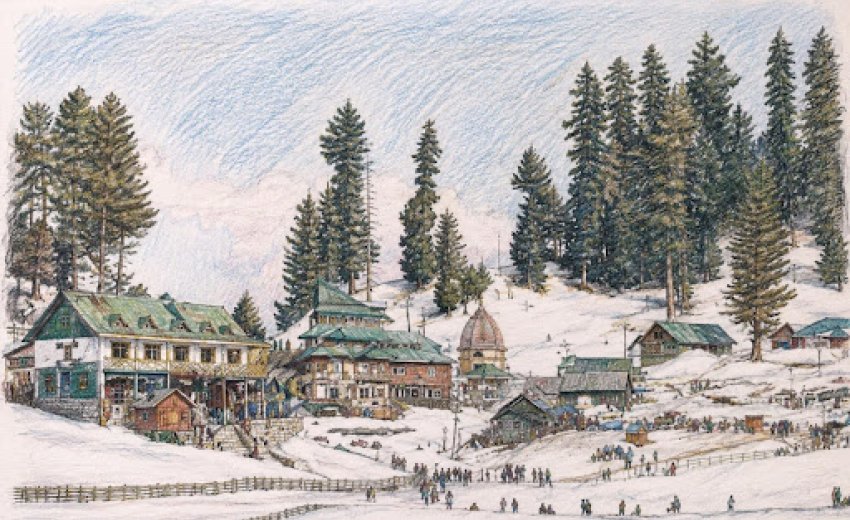
The foundation stone ceremony of Gurdwara Singh Sabha, Gulmarg, held on 16 July 1924, represented a landmark event in the religious history of Sikhs in Kashmir. The gathering brought together a remarkable congregation of Sikh scholars, administrators, philanthropists, missionaries, and devotees from different regions.
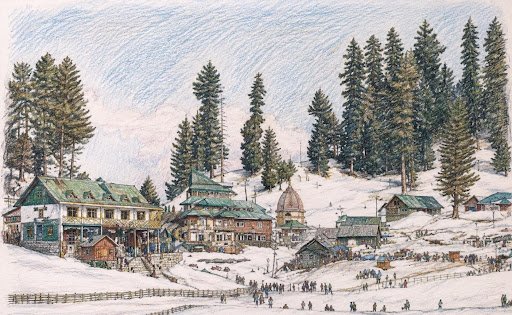
Archival revenue records reveal that the first documented land allotment in Gulmarg was made in favour of Darbar-e-Dharamsala Singhna. During the rule of Raja Amar Singh, Bhai Mohar Singh secured the site on a four-year lease for Rs. 400. This record represents a significant milestone in the institutional history of Sikh religious establishments in Gulmarg and serves as an important source for reconstructing the region’s Sikh heritage. Their collective presence reflected the unity and vitality of the Sikh community during the early twentieth century. The ceremony symbolized not merely the commencement of a building project but the establishment of a permanent Sikh spiritual centre in the renowned hill station of Gulmarg. Distinguished personalities including Bhai Vir Singh, Sardar Harbans Singh Attari, Bhai Jodh Singh, Bhai Sher Singh, Sardar Ganda Singh Engineer, Sardar Gurmukh Singh Gharjakh, and Sardar Bhagat Singh Kanahama provided leadership and inspiration. The Sangat contributed generously through financial assistance, voluntary labour, and moral support. Ardas and kirtan marked the occasion, creating an atmosphere of deep spiritual devotion. The event demonstrated the collective determination of the Sikh community to preserve and promote its religious heritage in Kashmir. The foundation ceremony thus stands as a memorable example of Sikh institutional cooperation, communal solidarity, and commitment to Gurmat ideals.
BHAI VIR SINGH (1872–1957)
Bhai Vir Singh occupies a distinguished position among the founders and benefactors associated with Gurdwara Singh Sabha, Gulmarg.
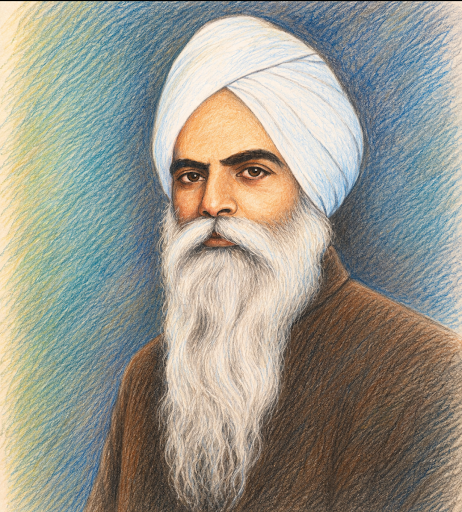
His contribution transcended material assistance and was rooted in a profound spiritual vision for the preservation of Sikh religious life in Kashmir. Through his frequent visits to Gulmarg, he recognized the need for a permanent Sikh institution that could serve both local residents and visiting pilgrims. His moral authority, literary influence, and close association with leading Sikh intellectuals inspired the Sikh community to undertake the construction of the gurdwara. Bhai Vir Singh regarded Gulmarg as a place of contemplation and divine reflection, and he viewed the establishment of a gurdwara there as essential for nurturing Sikh spirituality amidst the serene landscape of Kashmir. He actively encouraged philanthropic support for the project and remained closely connected with its development. His association with the institution strengthened the cultural and religious presence of Sikhs in Gulmarg. The gurdwara thus became a tangible expression of his vision of integrating spirituality, nature, and community life. Through his inspiration and guidance, Gurdwara Singh Sabha, Gulmarg emerged as an enduring centre of Sikh faith and heritage.
SARDAR HARBANS SINGH ATTARI (1821–?)
Sardar Harbans Singh Attari occupies a place of honour in the history of Gurdwara Singh Sabha, Gulmarg as the eminent Sikh leader who laid its foundation stone on 16 July 1924.
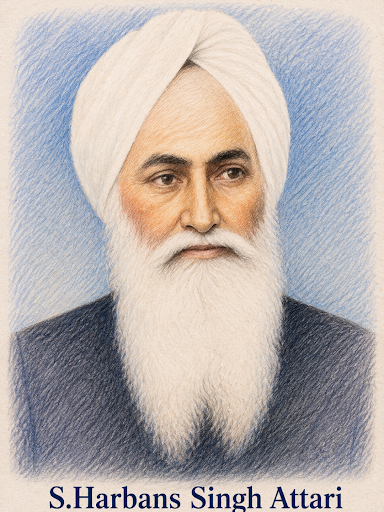
A descendant of the illustrious Attari family and grandson of the celebrated Sikh general Sardar Sham Singh Attariwala, he combined administrative distinction with deep commitment to Sikh educational and missionary activities. His presence at Gulmarg on this historic occasion symbolized the support of the wider Sikh community for the development of religious institutions in Kashmir. By participating in the foundation ceremony, he lent prestige and legitimacy to the project and encouraged greater public involvement. His lifelong efforts for Sikh education, missionary work, and institution-building in Kashmir and Poonch reflected his broader vision of strengthening Sikh identity through organized religious centres. The laying of the foundation stone by such a respected figure remains one of the most significant milestones in the history of the gurdwara.
BHAI JODH SINGH (1882–1981)
Bhai Jodh Singh was among the foremost intellectual supporters of Gurdwara Singh Sabha, Gulmarg. As a renowned scholar, educationist, and principal of Khalsa College, Amritsar, he provided invaluable guidance during the formative years of the institution.
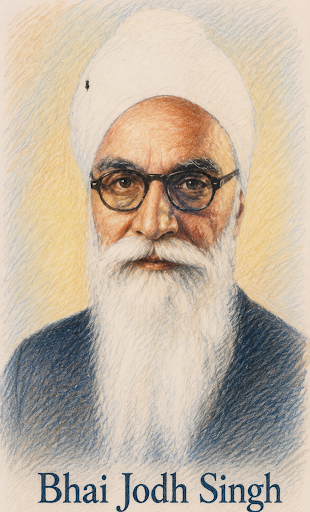
His regular residence in Kashmir during the summer months enabled him to maintain close contact with Sikh affairs in the Valley. He recognized the importance of establishing a Sikh religious centre at Gulmarg to serve the growing number of Sikh visitors and residents. Through his influence among educational and religious circles, he mobilized support for the project and encouraged Sikh participation in its construction. His involvement reflected the broader commitment of Sikh intellectuals towards preserving Sikh heritage in Kashmir. The gurdwara benefited greatly from his moral leadership and scholarly standing. His association helped transform the institution into a centre of religious learning and community cohesion.
BHAI SHER SINGH (1893–1954)
Bhai Sher Singh made a significant contribution to the establishment and consolidation of Gurdwara Singh Sabha, Gulmarg through his missionary zeal and organizational abilities.
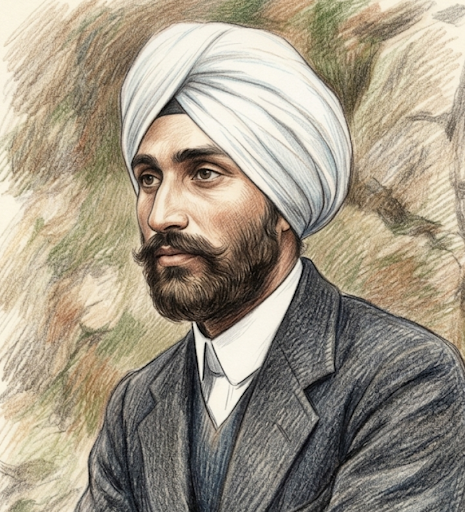
A distinguished scholar, educationist, and administrator, he devoted considerable attention to the development of Sikh institutions across Jammu and Kashmir. His active participation in the Gulmarg project reflected his commitment to extending Sikh religious infrastructure to remote and emerging centres. Through his influence among Sikh officials and intellectuals, he assisted in generating awareness and support for the construction of the gurdwara. His vision of strengthening Sikh identity through educational and religious institutions found practical expression in the Gulmarg initiative. As a prolific writer and preacher, he emphasized the importance of maintaining vibrant Sikh centres capable of nurturing faith and community life.
SARDAR GANDA SINGH ENGINEER (1868–1934)
Sardar Ganda Singh Engineer played a pivotal role in the development of Sikh institutions in Kashmir and was among the prominent contributors to Gurdwara Singh Sabha, Gulmarg.
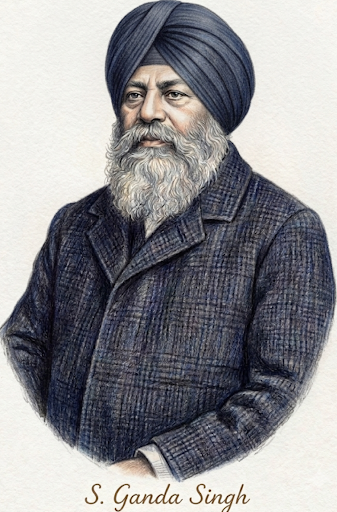
As one of the most distinguished engineers of his generation, he brought administrative experience, organizational skills, and public influence to the project. His long service in the Kashmir State enabled him to facilitate community initiatives and support Sikh religious activities. He recognized the necessity of creating permanent Sikh institutions in important centres such as Gulmarg and actively encouraged their development. His experience in planning and construction proved valuable during the establishment of the gurdwara. Beyond Gulmarg, his contributions to Gurdwara Singh Sabha Amira Kadal and other Sikh institutions demonstrate his lifelong commitment to community service. His support significantly strengthened the foundations upon which the Gulmarg gurdwara was built.
SARDAR GURMUKH SINGH GHARJAKH (1874–?)
Sardar Gurmukh Singh Gharjakh was a devoted philanthropist and public servant whose contribution to Gurdwara Singh Sabha, Gulmarg reflected his deep commitment to Sikh religious and social welfare.
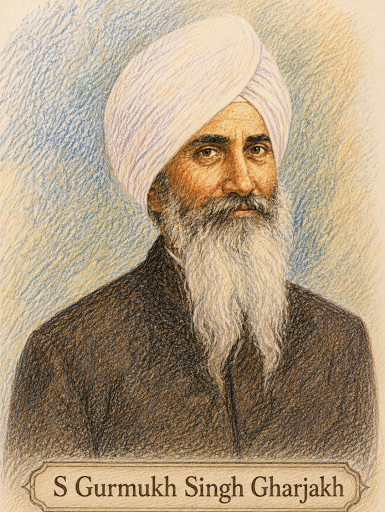
Having spent much of his life in Kashmir, he maintained close ties with Sikh institutions throughout the Valley. He actively supported the construction of the gurdwara and worked alongside leading Sikh personalities to ensure its successful completion. His reputation for integrity and public service inspired confidence among the Sikh Sangat and facilitated collective participation in the project. He regarded the establishment of religious institutions as essential for preserving Sikh values and strengthening communal unity. Through his efforts, the Gulmarg gurdwara developed into a centre of spiritual activity and social interaction. His contribution forms an important chapter in the history of Sikh institutional development in Kashmir.
SARDAR MOHAR SINGH OF KANAHAMA
Sardar Mohar Singh of Kanahama occupies a foundational place in the history of Gurdwara Singh Sabha, Gulmarg. He was among the earliest visionaries who recognized the need for a permanent Sikh religious establishment in Gulmarg.
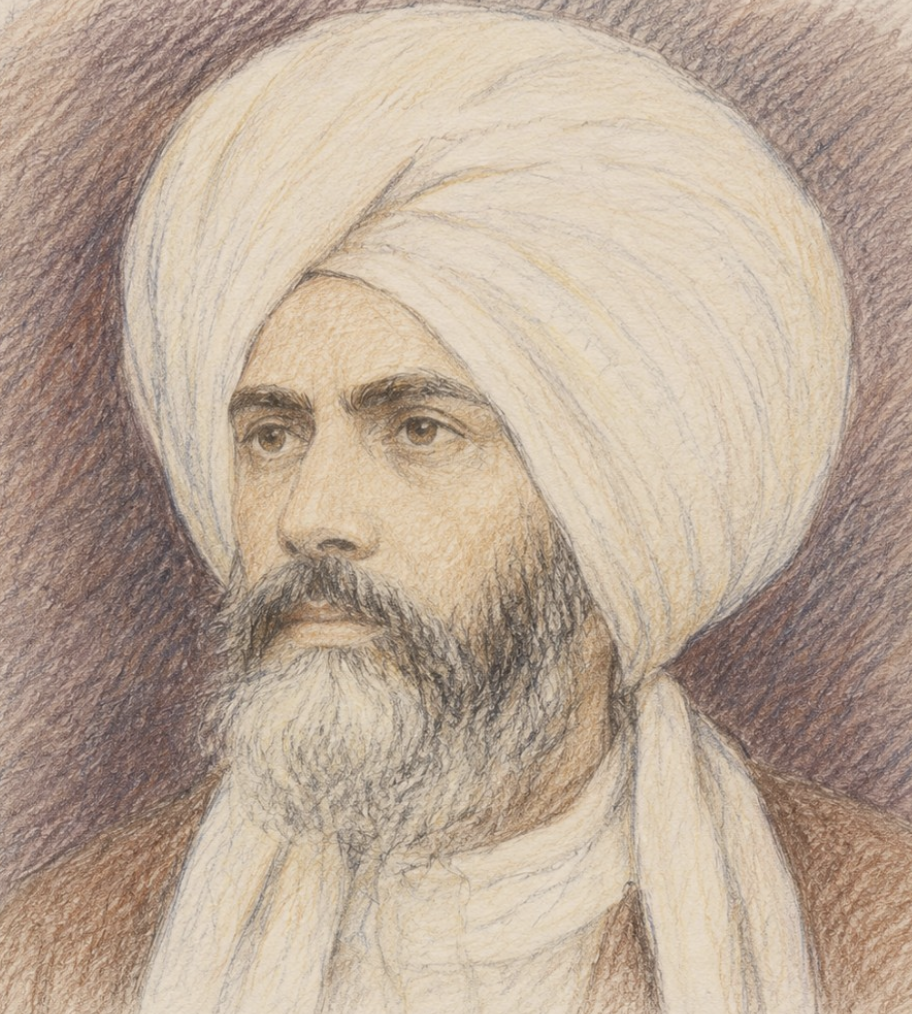
Through his initiative and administrative influence, land was secured for Sikh religious purposes, thereby creating the basis for future institutional development. Archival revenue records confirm his role in obtaining the site on lease during the Dogra period, a landmark event in the history of Sikh presence in Gulmarg. His efforts transformed a modest religious arrangement into a recognized Sikh centre. As a leading member of the Singh Sabha movement in Kashmir, he consistently worked for the propagation of Sikh teachings and community organization. His vision transformed Gulmarg into an important Sikh religious centre. As one of the founders of the Singh Sabha movement in Kashmir, he also worked tirelessly for the propagation of Gurmat principles and the consolidation of Sikh communal life. His efforts laid the foundation upon which later generations expanded and developed the institution.His foresight and dedication laid the foundation upon which later generations constructed and expanded the gurdwara. He therefore deserves recognition as one of the principal architects of Gurdwara Singh Sabha, Gulmarg.
SARDAR BHAGAT SINGH KANAHAMA (1885–1956)
Sardar Bhagat Singh Kanahama emerged as the principal force behind the construction and subsequent development of Gurdwara Singh Sabha, Gulmarg.
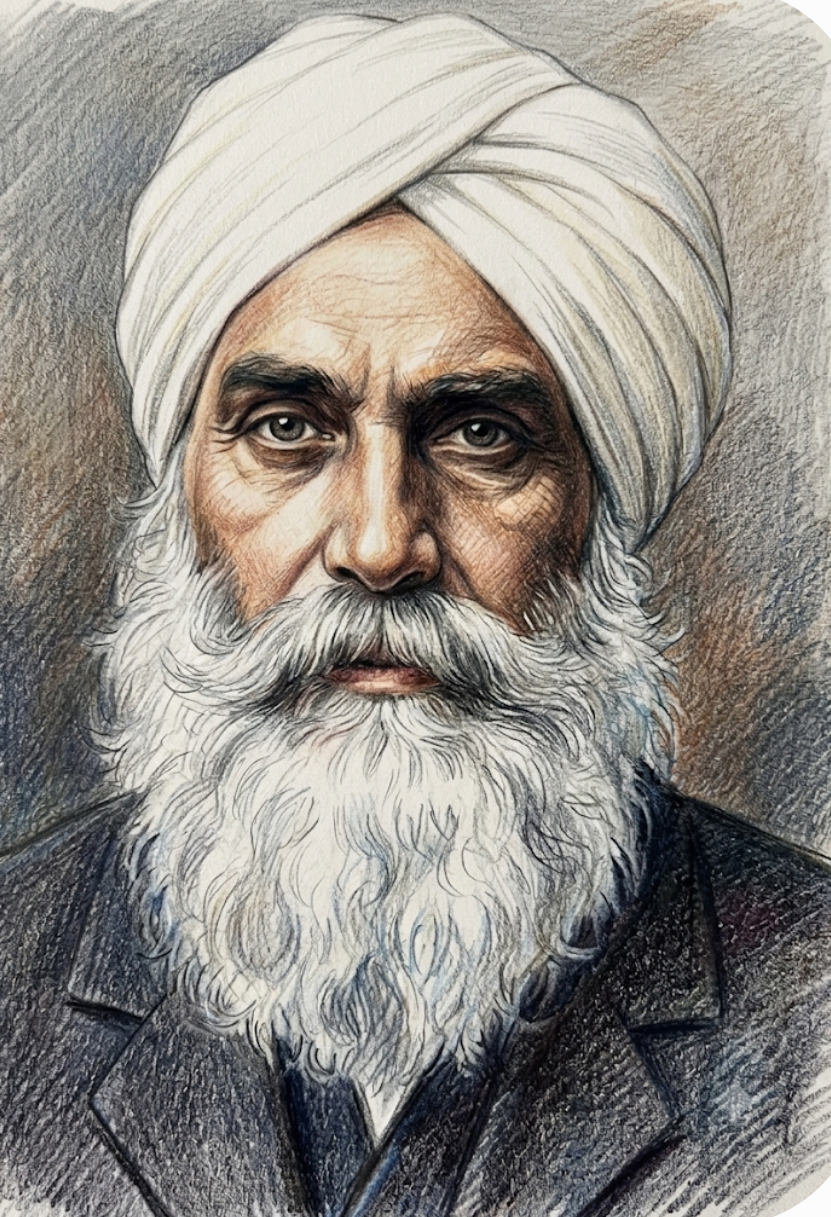
Following the legacy of his father, Sardar Mohar Singh, he dedicated himself to transforming the institution into a permanent and thriving Sikh religious centre. As President of the construction committee, he supervised the planning, fundraising, and execution of the project with exceptional commitment. Under his stewardship, the foundation stone was laid on 16 July 1924, and the building was completed in 1925. He mobilized resources from the Sikh community, coordinated the activities of prominent Sikh leaders, and ensured the provision of facilities for pilgrims and visitors. His personal sacrifices and unwavering dedication enabled the gurdwara to attain financial stability and institutional permanence. The history of Gurdwara Singh Sabha, Gulmarg is inseparably linked with his leadership and service. His contribution remains one of the most enduring legacies in the Sikh heritage of Kashmir.