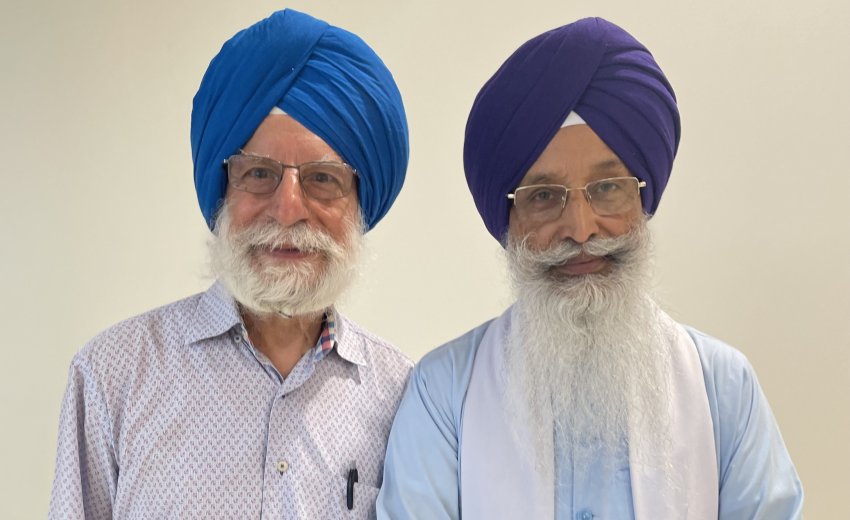

This interview with Prof. Manjit Singh, Ex-Jathedar Sri Akal Takht Sahib, took place in Houston on June 11, 2026. Bhupinder Singh interviewed Prof. Manjit Singh, the co-author of the book “Prabh Ke Geet,” to learn about its intimate, behind-the-scenes details. The following are the interviewer's questions (Q) and co-author's answers (A).
1. Q - What's new and unique about this book?
A – In this book, the entire bani of Guru Tegh Bahadur Ji, comprising 59 Shabads and 57 Saloks, have been included. The meanings of the words and the entire Shabad/Salok have been provided, and an elucidation of the entire bani is also included. Earlier works on the bani of Guru Ji did not include an elucidation. That one feature alone makes it unique.
Additionally, a Chapter on the various concepts that Guru Ji discussed in his bani has been explained in detail. Besides, the historical mythological stories that Guru Ji has referred to in his Bani have also been addressed in depth. The coverage includes the details of the stories as well as their context. These aspects have not been covered in the previous publications. Oral Elucidation of the Bani of Guru Tagh Bahadur Ji does exist, but not in print form.
2. Q - What unique themes did you encounter during your study in preparation of the book?
A – Existence of God (Waheguru) and how to attain union with Him.
About the Creator and the Creation.
How to live a blissful life.
Reality of death and its mysticism.
Evil instincts in humans and how to control these.
Guru's relevance in life.
3. Q - Can you elaborate with an example on mythical characters and stories?
A – Stories of characters such as Dhruv, Ajamal, Prahlad, and Ganika, and so on.
There is a beautiful mythical story from the Bhagwat Puran, about an elephant named Gajendra Moksha. He was a Gandharv of angels (Devtas). He lived in a garden called Rtumat. Gajendra ruled over all the other elephants in the herd. One day, as usual, he went to the lake to drink water. His leg was caught by an Octopus, whose grip was very tight.
Gajendra tried for a long time to free himself from the octopus's clutches. All of his herd, relatives, and friends gathered around to help him, but in vain. The octopus simply would not let go. When the herd of elephants realized that 'death' had come close to Gajendra, they left him alone. He trumpeted in pain and helplessness, until he was hoarse. The struggle was endless, when he had spent his last drop of energy, Gajendra called on his deity Vishnu to save him. His body was drowning in the water, and his trunk was only above water. In deep devotion, he held a lotus flower up in the air with his trunk as an offering to Vishnu. This lotus flower he had picked up from the lake itself. Vishu heard his prayers, came there, and freed him from the clutches of the octopus. Thus, with devotion, humility, and divine grace, he obtained ultimate Salvation.
That scenario was the background of Salok of Guru Tegh Bahadur Ji:
ਬਲੁ ਛੁਟਕਿਓ ਬੰਧਨ ਪਰੇ ਕਛੂ ਨ ਹੋਤ ਉਪਾਇ ॥
ਕਹੁ ਨਾਨਕ ਅਬ ਓਟ ਹਰਿ ਗਜ ਜਿਉ ਹੋਹੁ ਸਹਾਇ ॥੫੩॥
(SGGS, Pg. No. 1429)
Translation: Separating from Divine meditation, man’s spiritual strength
exhausts, as he gets entangled in the worldly bindings. No effort can then be made (for emancipation). Say Nanak! Just as You proved helpful for the release of the elephant from the clutches of the octopus, save me from the grasp of worldly entanglements; the Divine is the only refuge now.
Just as the elephant was saved through His remembrance, so too can we be saved. Guru Ji has used these stories as both examples and metaphors. In fact, there are four other shabads in which this metaphor is used.
4. Q - What is the relevance of this metaphor in our lives?
A - Guru Ji discusses renunciation of desires but does not advocate relinquishment of worldly responsibilities. He is not advocating renouncing the world or escaping it by going into the forest. The mind and intellect have become unrestrained and uncontrolled. Instead, it should be restrained and controlled; that is the transformation Guru Ji is talking about.
5. Q – Guru Ji’s bani has been labeled as “ਵੈਰਾਗਮਈ (Vairaagmai)” meaning detachment from the world. What is your opinion after this book?
A - Vairaag is a Sanskrit word that means detachment, dispassion, or renunciation. It comes from vi (without) and raga (passion or attachment). Guru Ji’s bani is not about hating the world or running away from it. It is about becoming free of fear of death. It is the inner freedom of not being controlled by desires, things, or outcomes.
6. Q - How long did it take to complete this project?
A - It took about 3 years to complete it.
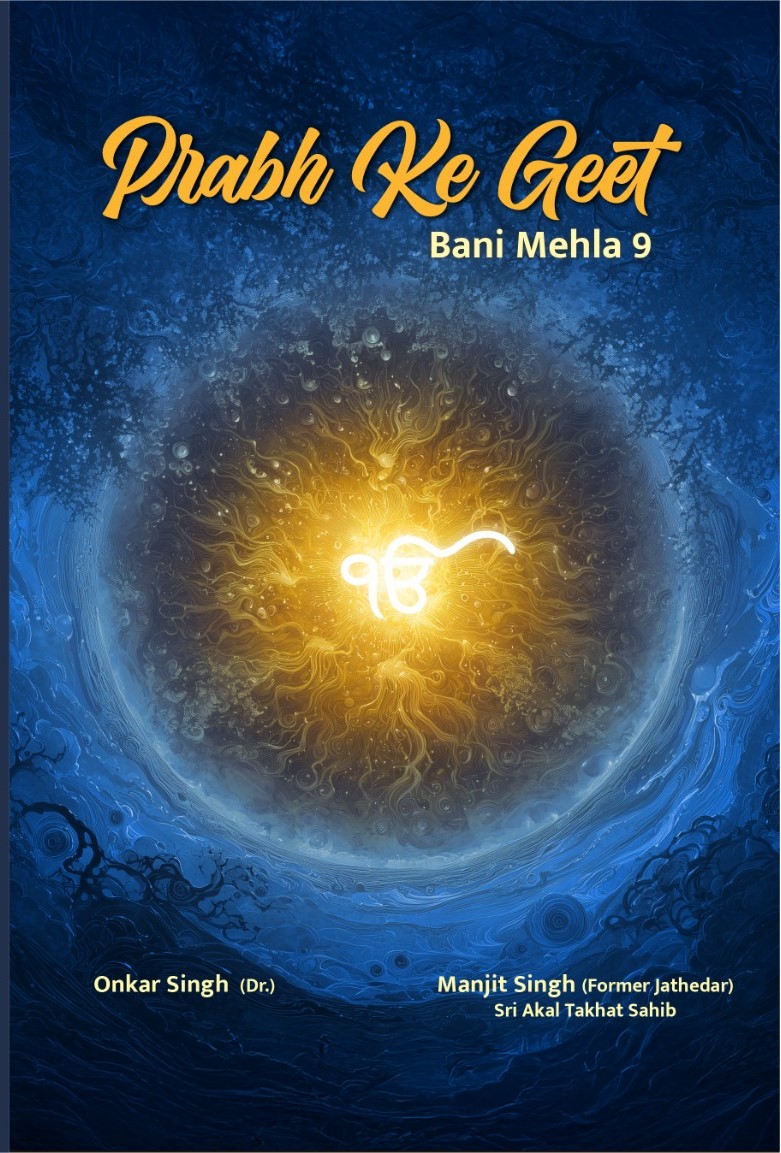
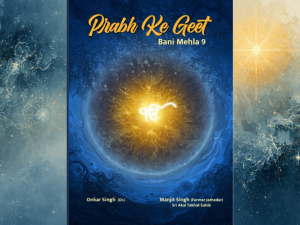
7. Q - What about the Title of the book?
A - The title is the words from Guru Ji's bani in red as below. Here is the quote with its translation:
ਨਾਨਕ ਭਉਜਲੁ ਪਾਰਿ ਪਰੈ ਜਉ ਗਾਵੈ ਪ੍ਰਭ ਕੇ ਗੀਤ ॥੨॥੩॥੬॥੩੮॥੪੭॥
Nanak bhavjal paar parrae jao gaavae prabh ke geet. ||2||3||6||38||47|| (SGGS, Pg. No. 536)
Translation: Nanak! That fortunate being crosses over the worldly ocean who sings songs of Divine praise. ||2||3||6||38||47||
8. Q - What was the most challenging aspect of the project?
A - The challenge was to present the Guru's thought process: how Guru Ji has prepared the route for us to become free from the fear of death.
9. Q -What about the language used by Guru Ji?
A - It is closer to Braj, Hindi, and Avadhi.
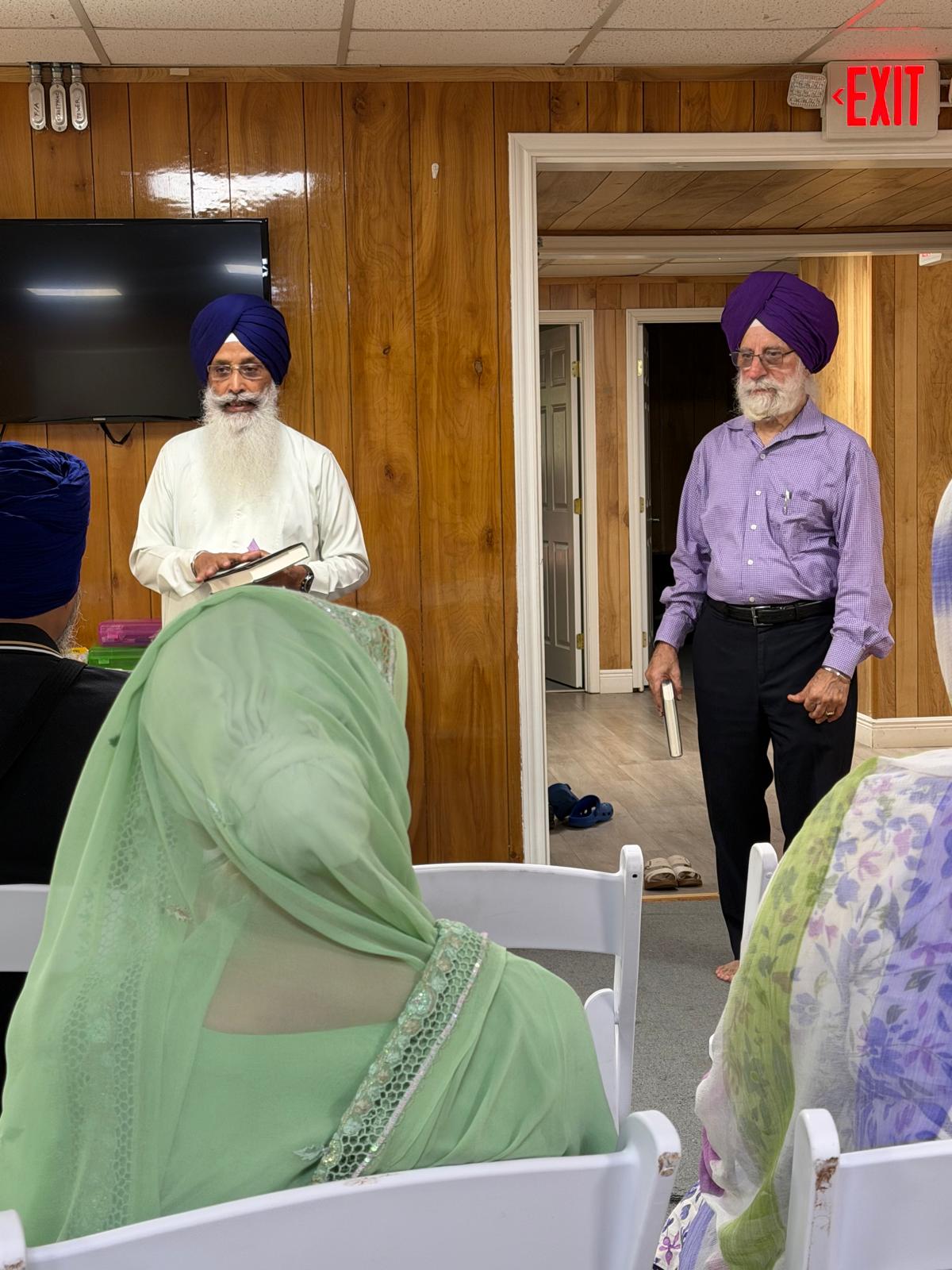
10. Q – Let us go back to Question No. 3 and tell us about the historical misinterpretation of Bal chhutkiya Bandhan pareh.
A – Yes, it is an absolute misrepresentation that Guru Tegh Bahadur Ji wrote this Salok as a question to Guru Gobind Singh. Then the next Salok, as Guru Gobind Singh Ji’s response to him.
How is it possible that Guru Ji was imprisoned in a cage in Delhi? How did he get a pen and paper, write a question, and send it to Guru Gobind Singh in Anandpur Sahib? The courier traveled on foot to Anandpur, then returned with the response, which is the next Salok. But that is unrealistic. Both these Saloks are by Guru Tegh Bahadur Ji. Together, these two illustrate how the mind is transformed and empowered.
Bal Chhutkiya - State of mind of an average human.
Bal Hua - It is the transformation of that helpless state of mind. It is the solution for how the mind becomes empowered.
Live with dedication, surrender, firm faith and then pray for grace. This is the only way to overcome fear of the mind. That will lead to salvation. Now let us look at the second Salok:
ਬਲੁ ਹੋਆ ਬੰਧਨ ਛੁਟੇ ਸਭੁ ਕਿਛੁ ਹੋਤ ਉਪਾਇ ॥
ਨਾਨਕ ਸਭੁ ਕਿਛੁ ਤੁਮਰੈ ਹਾਥ ਮੈ ਤੁਮ ਹੀ ਹੋਤ ਸਹਾਇ ॥੫੪॥
(SGGS, Pg. No. 1429)
Translation: Yes, spiritual strength is restored upon coming to Divine shelter, and all efforts become possible as the worldly shackles are shattered. Nanak says that all this play is in Your hands. You alone can save me from the worldly shackles (created by You).
Thanks, Singh Sahib Prof. Manjit Singh Ji, for taking the time to answer these questions. I hope that this book is well received and read.