
Introduction
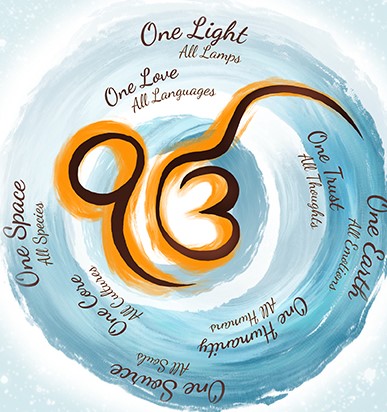
The very letter in Sri Guru Granth Sahib (SGGS) is the numeral One. By putting that numeral 1 at the very beginning, Guru Nanak Dev Ji is making a bold, revolutionary and a profound statement of Oneness in the entire creation. This was during a time when people believed in multiple gods or in a God sitting somewhere up in heaven. Further, we find that Oneness echoing throughout the body of SGGS. Guru Ji had this firm conviction in the existence of that One alone. As Guru Nanak Ji says:
ਏਕ ਤੂਹੀ ਏਕ ਤੁਹੀ ॥੧॥
Ek toohee ek tuhee ||1|| (SGGS, Pg. No. 143)
Translation: You alone, God, You alone. ||1||
In this Shabad, Guru Ji has used the exclamation “Ek toohee ek tuhee” to conclude each verse of this shabad, underscoring its significance. Many more shabads echo this theme, but for reaffirmation, here is another one:
ਸਾਹਿਬੁ ਮੇਰਾ ਏਕੋ ਹੈ ॥ ਏਕੋ ਹੈ ਭਾਈ ਏਕੋ ਹੈ ॥੧॥ ਰਹਾਉ ॥
Saahib meraa eko hai || Eko hai bhaiee eko hai ||1|| Rahaau || (SGGS, Pg. No. 350)
Translation: My God is the only Master; He is the One and Only; O Siblings of Destiny, He is the One alone. ||1||Pause||
What about the Others
None. What is its implication? So, I don’t exist? I have a human body, plus I have a mind too; it can think, make decisions, and so on. Rene Descartes, the father of modern philosophy made a very profound statement by saying: “I think; therefore I am”. Does that mean this statement is not valid? Well there is a distinction, and it is that our existence is ephemeral, and God’s existence is eternal. Everyone comes to the world with two dates – birth and expiry. That is why Guru Ji says that there is One only, because all others are here for a limited time only. So a question arises, who is inside the others? Guru Ji clarifies by making a declaration that there is no one else besides One who does everything, in these words:
ਅਵਰੁ ਨ ਕਰਣੈ ਵਾਲਾ ਦੂਆ ॥੧॥
Avar na karanai vaalaa dhooaa ||1|| (SGGS, Pg. No. 154)
Translation: There is no other Doer except Him. ||1||
Plus:
ਦੂਜਾ ਕਉਣੁ ਕਹਾ ਨਹੀ ਕੋਈ ॥ ਸਭ ਮਹਿ ਏਕੁ ਨਿਰੰਜਨੁ ਸੋਈ ॥੧॥ ਰਹਾਉ ॥
Dhoojaa kaun kahaa nahee koiee || Sabh meh ek nira(n)jan soiee ||1|| Rahaau ||
(SGGS, Pg. No. 223) Translation: Whom should I call the second, when there is only the One? The One Immaculate God is pervading among all. ||1||Pause||
What we perceive as the others is that One alone:
ਅਨੇਕ ਹੈਂ ॥ ਫਿਰਿ ਏਕ ਹੈਂ ॥੪੩॥
Anek hai(n) || Phir ek hai(n) ||43|| (D.G., Page 2, Jaap Sahib)
Translation: You are numerous! Then you are the Only One! 43.
To clarify the relationship of One with multitude that we see with our eyes, Gurbani say:
ਇਕਸੁ ਤੇ ਹੋਇਓ ਅਨੰਤਾ ਨਾਨਕ ਏਕਸੁ ਮਾਹਿ ਸਮਾਏ ਜੀਉ ॥੯॥੨॥੩੬॥
Eikas te hoio ana(n)taa naanak ekas maeh samaae jeeau ||9||2||36|| (SGGS, Pg. No. 131)
Translation: Nanak says: The One God (Akal Purakh) alone has become of countless forms and colors. This entire multicolored world merges back into that One alone.
Guru Ji has settled the conundrum of others, including those idolized, respected icons by saying:
ਹਮ ਜੇਰ ਜਿਮੀ ਦੁਨੀਆ ਪੀਰਾ ਮਸਾਇਕਾ ਰਾਇਆ ॥ ਮੇ ਰਵਦਿ ਬਾਦਿਸਾਹਾ ਅਫਜੂ ਖੁਦਾਇ ॥
Hum jer jimee dhuneeaa peeraa masaikaa raiaa || Me ravadh baadhisaahaa afajoo khudhai || (SGGS, Pg. No. 143)
Translation: All the spiritual teachers, their disciples and the rulers of the world shall be buried under the ground. The emperors shall also pass away; God alone is Eternal.
Eternal is only One – God. Earlier we saw that in this same Shabad Guru Ji has used the exclaim “Ek toohee ek tuhee” to conclude each stanza of the poem, underscoring its importance. So, what about all other lives that exist? Guru Ji counters it by asking:
ਮੇਰੇ ਮਨ ਹਰਿ ਬਿਨੁ ਅਵਰੁ ਨ ਕੋਇ ॥
Mere mun har bin avar na koi || (SGGS, Pg. No. 47)
Translation: O my mind, besides the God, there is no other at all.
Guru Ji answers these questions with a new perspective. He says “I, me, and mine” are that One alone manifesting in these words:
ਜੈਸੇ ਜਲ ਤੇ ਬੁਦਬੁਦਾ ਉਪਜੈ ਬਿਨਸੈ ਨੀਤ ॥ ਜਗ ਰਚਨਾ ਤੈਸੇ ਰਚੀ ਕਹੁ ਨਾਨਕ ਸੁਨਿ ਮੀਤ ॥੨੫॥
Jaise jal tae budhabudhaa upajai binasai neet || Jag rachanaa taise rachee kahu nanak sunn meeth ||25|| (SGGS, Pg. No. 1427)
Translation: As the bubbles in the water well up and disappear again, so is the universe created; says Nanak, listen, O my friend! ||25||
Now the point becomes clear. Human existence is transient in nature, for a limited time only, while the Creator is the only One is forever. No wonder, this world has been compared to a dream:
ਸਗਲ ਜਗਤੁ ਹੈ ਜੈਸੇ ਸੁਪਨਾ ਬਿਨਸਤ ਲਗਤ ਨ ਬਾਰ ॥੧॥ ਰਹਾਉ ॥
Sagal jagat hai jaise supanaa binasat lagat na baar ||1|| Rahaau ||(SGGS, Pg. No. 633)
Translation: The whole world is just like a dream; it will pass away in an instant. ||1||Pause||
We are creatures with a limited lifespan, like a dream. In a dream everything appears so real, despite its fictional reality. However in life everything appears tangible and we start believing that it will last. As the human life span is finite and Creator’s is infinite, He has been called Truth (Sach) and our lives are not.
Transferring to Reality
Bhagat Kabir Ji says he understood the reality of this paradigm of life and so he started remembering Him alone:
ਕਬੀਰ ਤੂੰ ਤੂੰ ਕਰਤਾ ਤੂ ਹੂਆ ਮੁਝ ਮਹਿ ਰਹਾ ਨ ਹੂੰ ॥
Kabir too(n) too(n) karataa too hooaa mujh meh rahaa na hoo(n) ||(SGGS, Pg. No. 1375)
Translation: Kabir, repeating, "You, You", I have become like You. Nothing of me remains in myself.
Because by repeating “You” what has transpired is that the distinction between me and You was eliminated. I merged in You, and only You remained. Its outcome was that:
ਜਬ ਆਪਾ ਪਰ ਕਾ ਮਿਟਿ ਗਇਆ ਜਤ ਦੇਖਉ ਤਤ ਤੂ ॥੨੦੪॥
Jab aapaa par kaa miT giaa jat dhekhau tat too ||204|| (SGGS, Pg. No. 1375)
Translation: When the difference between myself and others is removed, then wherever I look, I see only You. ||204||
This transformation happened because “I” and “me” disappeared and what remained was “You” alone.
Guru Nanak Ji shared a similar experience in these words:
ਤੇਰਾ ਏਕੋ ਨਾਮੁ ਮੰਜੀਠੜਾ ਰਤਾ ਮੇਰਾ ਚੋਲਾ ਸਦ ਰੰਗ ਢੋਲਾ ॥੧॥ ਰਹਾਉ ॥
Teraa eko naam ma(n)jeeThaRaa rataa meraa cholaa sadh ra(n)g ddolaa ||1|| rahaau ||
(SGGS, Pg. No. 729)
Translation: Your Naam alone is the color, in which the robe of my body is dyed. This color is permanent, O my Beloved. ||1||Pause||
How it is done, Guru Ji explained in this same shabad as:
ਜਪ ਤਪ ਕਾ ਬੰਧੁ ਬੇੜੁਲਾ ਜਿਤੁ ਲੰਘਹਿ ਵਹੇਲਾ ॥
Jap tap kaa ba(n)dh beRulaa jit la(n)gheh vahelaa || (SGGS, Pg. No. 729)
Translation: Build the raft of meditation and self-discipline, to carry you across the (worldly) river (and come out of cycles of reincarnation).
Guru Ji has used the metaphor of a raft to share the areas to be worked on are meditation and self-discipline. Through that effort ego is erased in the process. The consequence of ego effacement is:
ਹਉਮੈ ਜਾਈ ਤਾ ਕੰਤ ਸਮਾਈ ॥
Haumai jaiee taa ka(nn)t samaiee || (SGGS, Pg. No. 750)
Translation: But if one gets rid of ego, then one merges in Husband God.
So, ego is the hinderance on the path of experience of Oneness. When one firmly believes in Oneness then one does not forego it. Because foregoing means:
ਏਕਸ ਬਿਨੁ ਸਭ ਧੰਧੁ ਹੈ ਸਭ ਮਿਥਿਆ ਮੋਹੁ ਮਾਇ ॥੧॥ ਰਹਾਉ ॥
Ekas bin sabh dha(n)dh hai sabh mithiaa moh mai ||1|| Rahaau ||(SGGS, Pg. No. 44)
Translation: Without the One, all entanglements are worthless transactions; and an emotional attachment to Maya is all in vain. ||1||Pause||
When this becomes the inner conviction, then the person places all hopes in One alone:
ਏਕ ਕੀ ਕਰਿ ਆਸ ਭੀਤਰਿ ॥
Eik kee kar aas bheetar || (SGGS, Pg. No. 895)
Translation: Place the hopes of one God in the mind.
Then, search for the One alone and to develop love and devotion for it alone:
ਏਕਾ ਖੋਜੈ ਏਕ ਪ੍ਰੀਤਿ ॥
Ekaa khojai ek preet || (SGGS, Pg. No. 1180)
Translation: He seeks only one God (everywhere), he has love for only one God in his heart.
Guru Ji says when One is in remembrance, there is no vacillation or wavering of the mind, and mind’s wandering is stopped:
ਏਕੋ ਚੇਤੈ ਮਨੂਆ ਨ ਡੋਲੈ ਧਾਵਤੁ ਵਰਜਿ ਰਹਾਵੈ ॥
Eko chetai manooaa na ddolai dhaavat varaj rahaavai || (SGGS, Pg. No. 634)
Translation: He remembers the One God, his mind does not waver, and he restrains its wanderings.
Effects of Separation
As long as “I” and “You” exist there is a separation, and in Gurbani it has been compared to suffering:
ਦੁਖੁ ਵੇਛੋੜਾ ਇਕੁ ਦੁਖੁ ਭੂਖ ॥ ਇਕੁ ਦੁਖੁ ਸਕਤਵਾਰ ਜਮਦੂਤ ॥
Dhukh vechhoRaa ik dhukh bhookh || Eik dhukh sakatavaar jamadhoot || (SGGS, Pg. No. 1256)
Translation: The suffering (is because) of separation (from One) – then there is the pain of desires that I feel. There is another disease, that is fear of the severe Messenger of Death.
Why is the pain and what is its cause? Guru Ji has explained it as:
ਦੁਖੁ ਤਦੇ ਜਾ ਵਿਸਰਿ ਜਾਵੈ ॥
Dhukh tadhe jaa visar jaavai || (SGGS, Pg. No. 98)
Translation: Suffering befalls a being only then, when God is forgotten.
What is its antidote and how can this separation be fixed? Guru Ji tells us:
ਦੁਖ ਭੰਜਨੁ ਤੇਰਾ ਨਾਮੁ ਜੀ ਦੁਖ ਭੰਜਨੁ ਤੇਰਾ ਨਾਮੁ ॥
Dhukh bha(n)jan teraa naam jee dhukh bha(n)jan teraa naam || (SGGS, Pg. No. 218)
Translation: O God (Akal Purakh)! Your Naam is the destroyer of suffering; Your Naam is the destroyer of suffering.
The antidote is Naam. This is through remembrance and inculcation of divine virtues. One departs from this world free from all pain, with all diseases eradicated:
ਦੂਖ ਰੋਗ ਸਭਿ ਗਇਆ ਗਵਾਇ ॥
Dhookh rog sabh giaa gavai || (SGGS, Pg. No. 1256)
Translation: That soul, having removed all its suffering, departs from this world.
The separation has been erased. The split, binary has become whole, a unity.
ਸਾਹਿਬੁ ਮੇਰਾ ਏਕੋ ਹੈ ॥ ਏਕੋ ਹੈ ਭਾਈ ਏਕੋ ਹੈ ॥੧॥ ਰਹਾਉ ॥
Saahib meraa eko hai || eko hai bhaiee eko hai ||1|| Rahaau || (SGGS, Pg. No. 350)
Translation: O brother! God (Akal Purakh) alone is our one and only Master. Indeed! He alone is the one Master; there is no other like Him.
ਏਕਸੁ ਸਿਉ ਜਾ ਕਾ ਮਨੁ ਰਾਤਾ ॥ ਵਿਸਰੀ ਤਿਸੈ ਪਰਾਈ ਤਾਤਾ ॥੧॥
Aikas siau jaa kaa man raataa || Visree tisai paraiee taataa ||1|| (SGGS, Pg. No. 189)
Translation: The mind of that person (with the Guru's grace) remains imbued only in Oneness. That person forgets to envy others.
Conclusion
Now, let us come back to the premise we started with, the very first words in Japji sahib and Sri Guru Granth Sahib as:
ੴ
Ik Onkar.
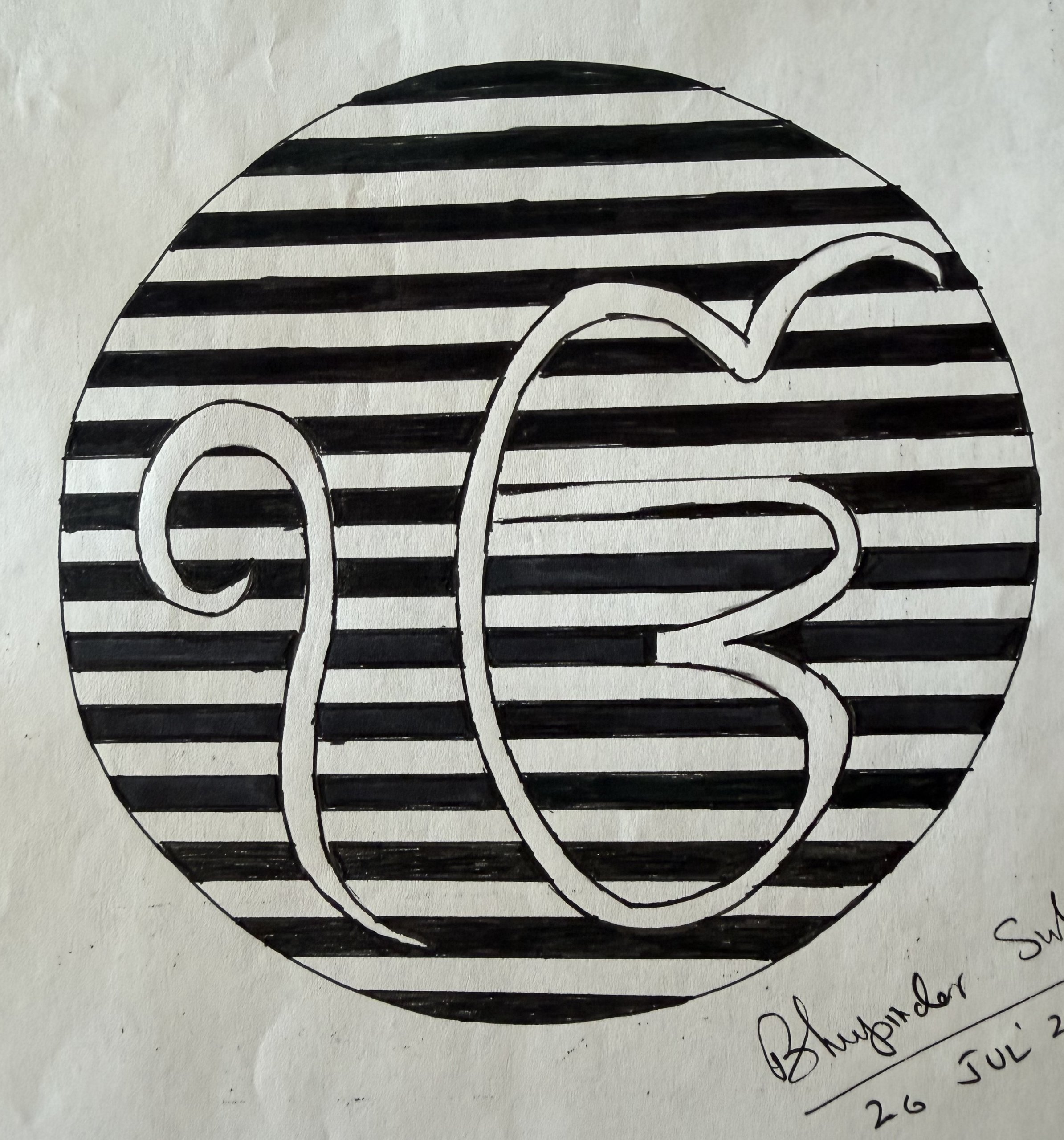
This is popularly translated as: There is One God.
But Guru Nanak Dav ji was not talking about One God for all creation alone. Guru Ji’s canvas was much larger. Neither was Guru Ji alluding about God sitting somewhere out there. But if we translate it as:
There is One Omnipresent God only.
Addition of mere two words changes the connotation completely from a binary system of I and you to “You” alone. The implication is there is no “I” left now, but You alone. Gurbani has shared the experience of Oneness as:
ਸੂਰਜ ਕਿਰਣਿ ਮਿਲੇ ਜਲ ਕਾ ਜਲੁ ਹੂਆ ਰਾਮ ॥ ਜੋਤੀ ਜੋਤਿ ਰਲੀ ਸੰਪੂਰਨੁ ਥੀਆ ਰਾਮ ॥
Sooraj kiran milae jal kaa jal hooaa raam || Jotee jot ralee sa(n)pooran theeaa raam ||
(SGGS, Pg. No. 846)
Translation: O brother! Just as ice melts back to water, it becomes liquid water again by absorbing the sun’s rays. Similarly, with the blessing of Divine the harshness within a being ends, and the soul becomes one with the Divine Light of Akal Purakh; the being becomes the embodiment of Akal Purakh, the Master of all excellences.
The next word after Ik Onkar is equally revealing. Guru Ji says: Satnam. Which is translated as: The Name Is Truth.
What is truth? The answer is which is eternal. So, the more correct translation will be: His name is eternal (as He alone is beyond a lifespan). We all have limited life spans thus untrue. We are like a currency in circulation valid for a limited time only. Our validity expires with our physical death.
Guru Ji wants us to experience merger in ONENESS. It will be experiencing aliveness forever. Let us try to experience it ourselves in our lives.