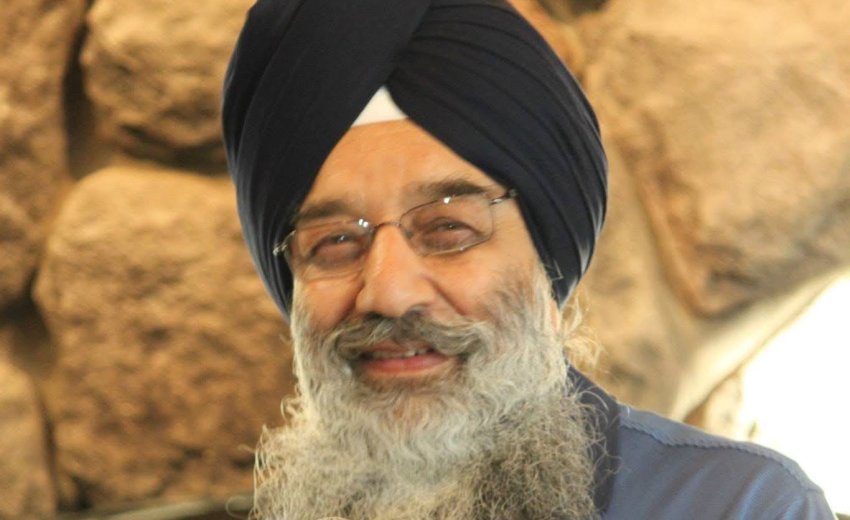

On May 27, 2026, the Sikh community, especially the North American sangat, lost a deeply dedicated sevadar, mentor, and guide. Sardar Kuldeep Singh Ji (1939–2026) devoted much of his life to the service of the Khalsa Panth and played an important role in connecting children and youth growing up in the West to their Sikh roots. He lived a life of seva, sacrifice, and steady commitment. Many in the sangat, including generations of youth, were inspired by his example and learned to walk the path of Sikhi. He passed away in a sudden accident near his home in Tampa, Florida. His seva continued until his final days. He had just returned home from leading a Sikh Youth Retreat for young adults ages 18 to 35 in Detroit, Michigan.
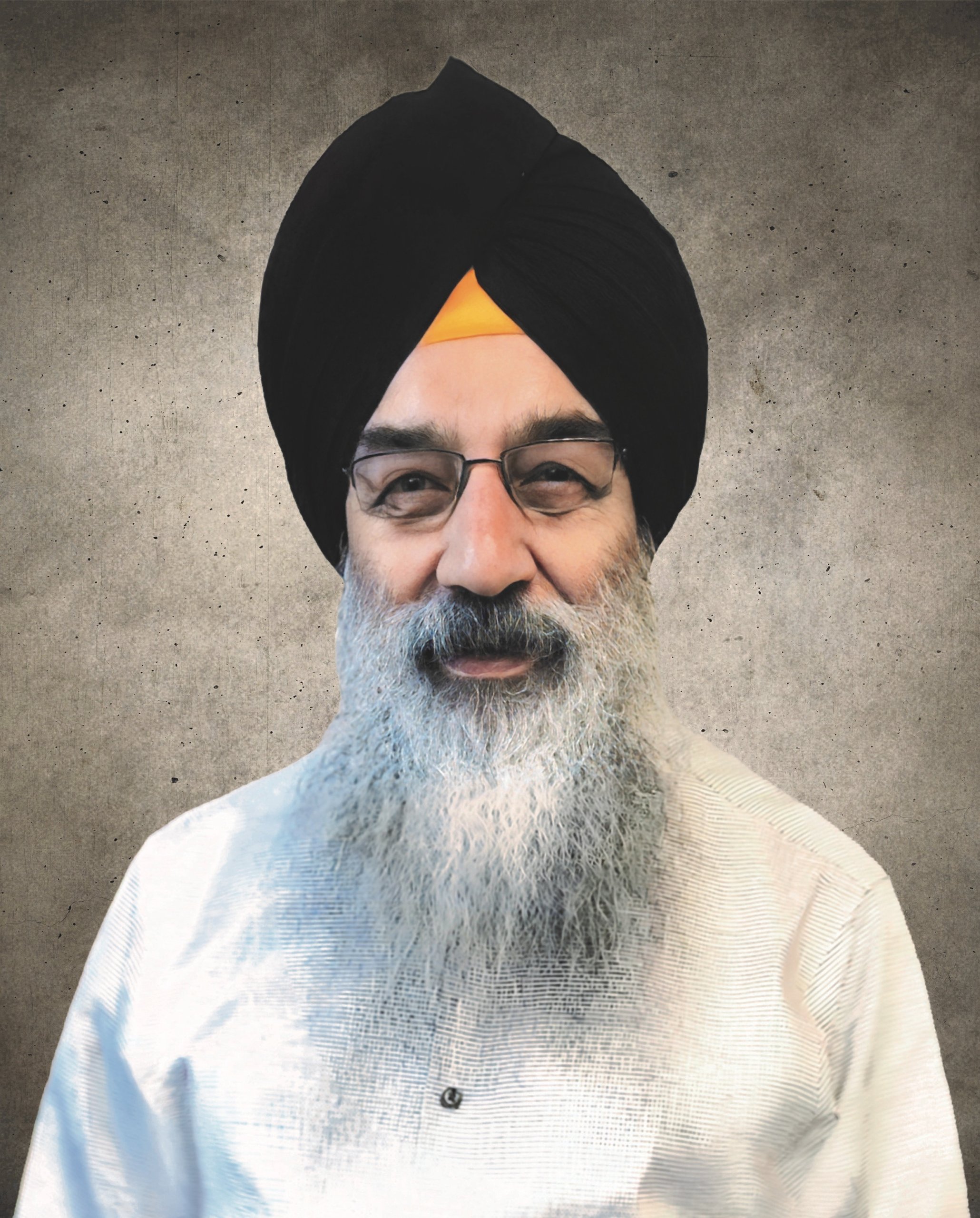 In July 2016, my father, Dr. Charanjit Singh Gumtala, recorded a special and extensive interview with him. That conversation has become an important record of his life, his struggles, his Sikh faith, and his Panthic commitment. It has also been a deep source of personal inspiration for me.
Early Life and the All India Sikh Students Federation
S. Kuldeep Singh Ji was born in 1939. His family resided on Baird Road (now Bangla Sahib Road) in New Delhi. His father, S. Gurbakhsh Singh, served as an officer supervisor at the Army Headquarters, and his grandfather, Sardar Sahib Natha Singh, was a prominent and highly respected Sikh leader in Shimla.
A major turning point in his early life came when he joined the All India Sikh Students Federation (AISSF) while studying at Ramjas Senior Secondary School in Paharganj. The Federation had a rule requiring members to take turns doing Ardas before meetings. Not knowing Ardas by heart at the time, he memorized it with great dedication.
Inspired by the knowledge and lectures of the Federation leaders, he began walking daily to Gurdwara Bangla Sahib and Gurdwara Rakabganj Sahib. Listening to the Katha (discourse) of the Suraj Prakash and the insights of scholars like Giani Pratap Singh deepened his love for Sikh history and Gurbani. Prominent figures such as S. Saroop Singh Kalla, S. Bhan Singh, Prof. Sukhbir Singh, Prof. Bharpur Singh, Prof. Jaswant Singh Phull, Prof. Kirpal Singh, and Dr. Ganda Singh played a vital role in strengthening his Panthic consciousness and his sense of responsibility toward the youth.
The 1960 Punjabi Suba Morcha and Journey to Tihar Jail
His dedication to the Panth was tested during the 1960 Punjabi Suba Morcha. Under the leadership of Master Tara Singh, a massive protest march was scheduled in Delhi for June 12, 1960, but the government arrested many Sikh leaders before the march. As the Delhi President of AISSF (a role he held from 1960 to 1964), police heavily pressured his family and targeted his father’s workplace to locate him.
When he voluntarily presented himself to the police, he was charged with 13 serious offenses, including attempted murder, which he maintained had no basis. He was sent to Delhi’s Tihar Jail, even though he was not present at the protest. Inside the prison walls, he remained in Chardi Kala (high spirits), joining the arrested Dhadis and Kirtanis. He was released on bail after about a week, and after about two years of court proceedings, the matter was resolved through negotiations with the government.
Struggles in England and Unwavering Faith
In 1964, after earning a B.Sc. in Chemistry from Delhi University and gaining professional experience, he immigrated to England. Upon arrival, he faced the kind of discrimination many visible Sikh immigrants experienced at that time. Some officials at the government employment office told him that if he wanted a professional job as a chemist, he would have to cut his hair and beard; otherwise, he would only be offered manual labor.
He refused to lose heart and continued applying for professional roles. His hard work, qualifications, and faith carried him through. Within three months, he received two job offers as a Quality Control Chemist, including one with a company connected to the well-known Oil of Olay brand.
During that difficult period, he remembered the support of Mr. Kaushik, a family acquaintance from a Hindu background. Mr. Kaushik encouraged him never to cut his hair and to remain firm in his Sikh faith. He even offered financial help if needed
In another remarkable instance, the Chief of the North Thames Gas Board hired him the moment he saw his Sikh appearance, asking no further questions. The Chief had served in the British Army and held Sikhs in high regard because of their reputation for honesty, discipline, and hard work.
The 50-Year Legacy of Gurmat Camps in North America
In 1967, Sardar Kuldeep Singh Ji moved from England to Toronto, Canada. He married Bibi Arminder Kaur in 1971, and in 1972, they settled in Detroit, Michigan, where he worked for many years as a chemist in hospitals and his own laboratory. Upon arriving in North America, he quickly realized there were very few organized spaces for Sikh families to connect their children with their rich heritage and history.
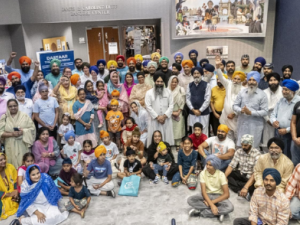
Driven by this need, he began his Gurmat Camp seva in North America in 1973 right from his home in Madison Heights, Michigan. Over time, this humble beginning grew into a strong Panthic tradition of seva. Over the years, the camps have been held at different locations, including the Detroit area and Cleveland, and are now held at a beautiful camp site in Fenton, Michigan. In July 2023, the 7-day Gurmat Camp celebrated its successful 50th anniversary (Golden Jubilee). One of the clearest signs of his impact is that the organizers and teachers leading the camp today were once young students attending the very same camps—a legacy seamlessly passing from generation to generation. 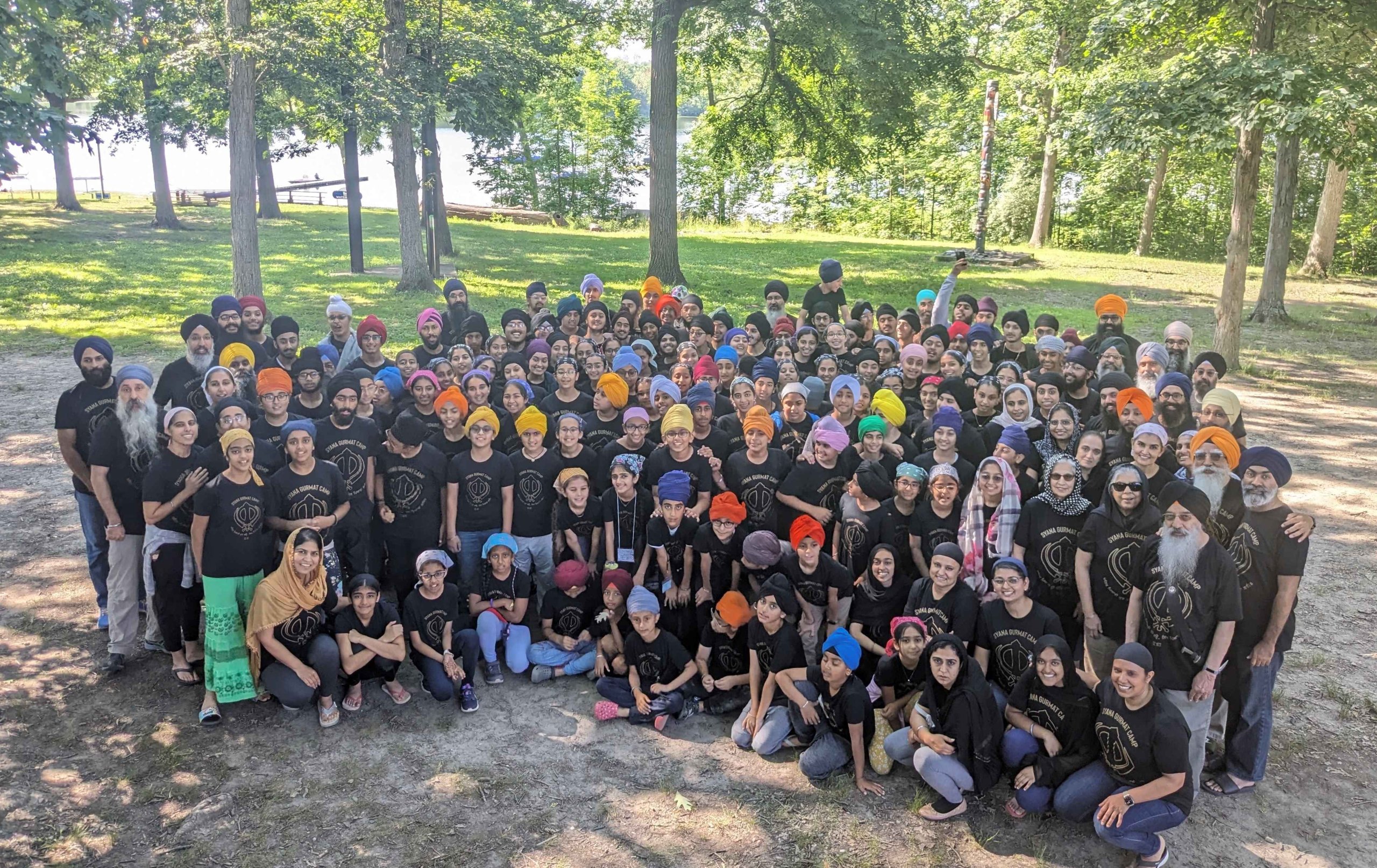 Campers and volunteers at SYANA Gurmat Camp 2023, marking 50 years of Gurmat Camp seva
Throughout this journey, his wife, Sardarni Arminder Kaur, stood shoulder-to-shoulder with him. Her service was essential in managing the camps, caring for the children, arranging lodging, and handling countless responsibilities connected with the participating families. Importantly, these camps and retreats were not just for the youth; they became a learning platform for parents and volunteers as well. Many parents who initially came just to drop off their children ended up deeply involved in seva. Volunteers learned how to serve, organize, teach, build sangat, practice patience, and connect with the younger generation. In this way, the camps became centers of Panthic education for entire families.
Founding SYANA and Upholding Maryada
To unite Sikh youth across North America, S. Kuldeep Singh Ji founded the Sikh Youth Alliance of North America (SYANA). Under this banner, along with the camps, he helped start Sikh Youth Symposiums, where children and youth learned to read, reflect, and speak about Sikh topics. He also started Sikh Youth Retreat for older youth and young adults, which continue to be held every Memorial Day weekend.
His main emphasis was always that the camps remain rooted in the Panth-approved Sikh Rehat Maryada (Sikh code of conduct), rather than the practices of any individual dera, group or personality. This ensured the children were anchored to mainstream Sikhi. His life’s philosophy was always simply: "Panth First."
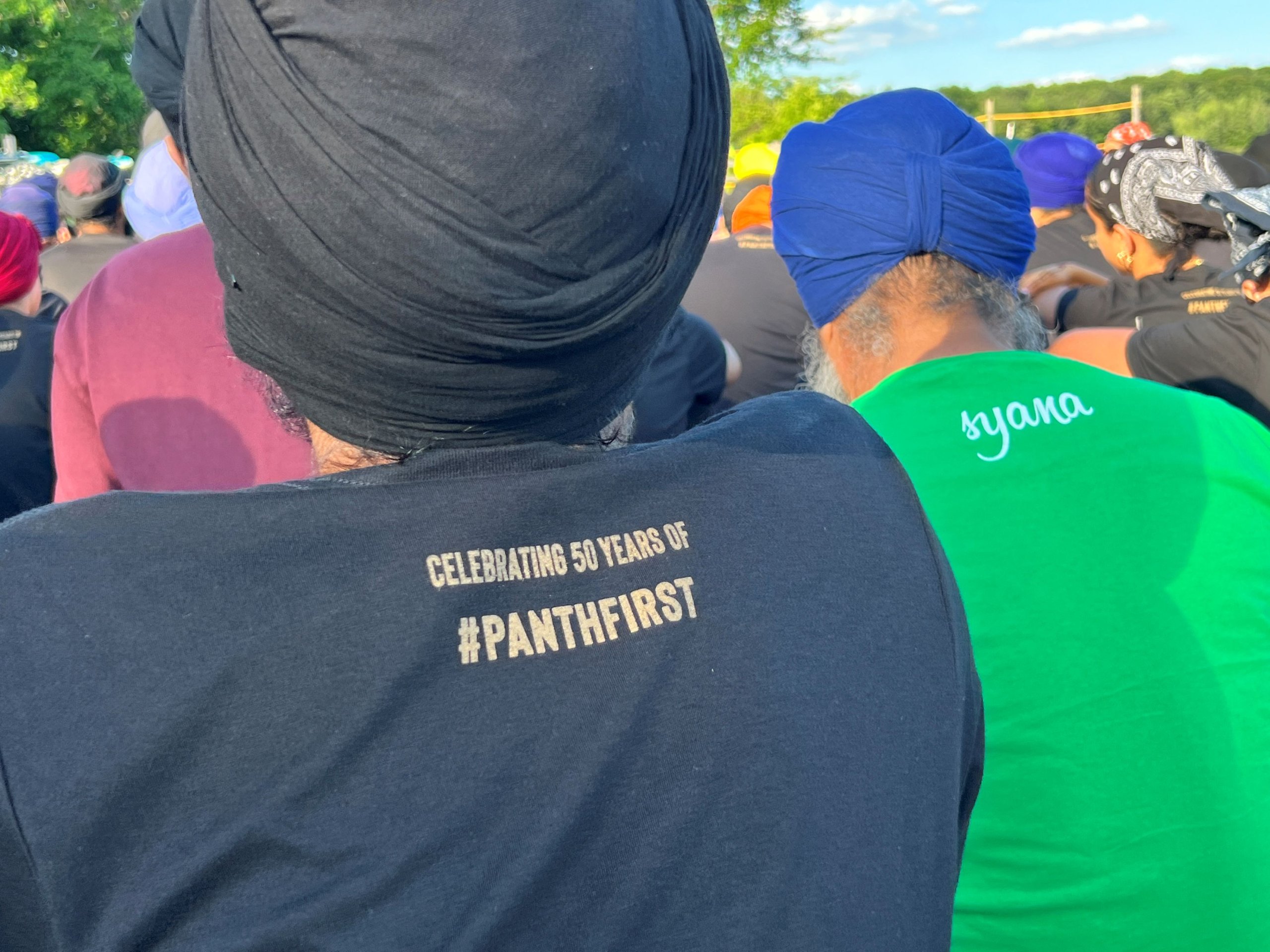 A #PanthFirst shirt at the 50-year celebration of SYANA Gurmat Camp, reflecting a principle S. Kuldeep Singh Ji often emphasized
A Personal Bond
My personal connection with S. Kuldeep Singh Ji began after I moved from Amritsar to Dayton, Ohio, in the year 2000. Following the events of September 11, 2001, when challenges surrounding the Sikh identity surged, someone told me about him and his work. We organized a Sikh Exhibition at Wright State University, where he spoke about Sikh history, identity and tradition, deepening our bond. Afterward, I attended one of the Youth Retreats. After experiencing the Panthic atmosphere there, I made a firm resolution that whenever I had children, they would grow up under his guidance at these camps. Years later, I began taking my son and daughter to the camp in 2013. For the past several years, I have also been blessed with the opportunity to serve as a volunteer.
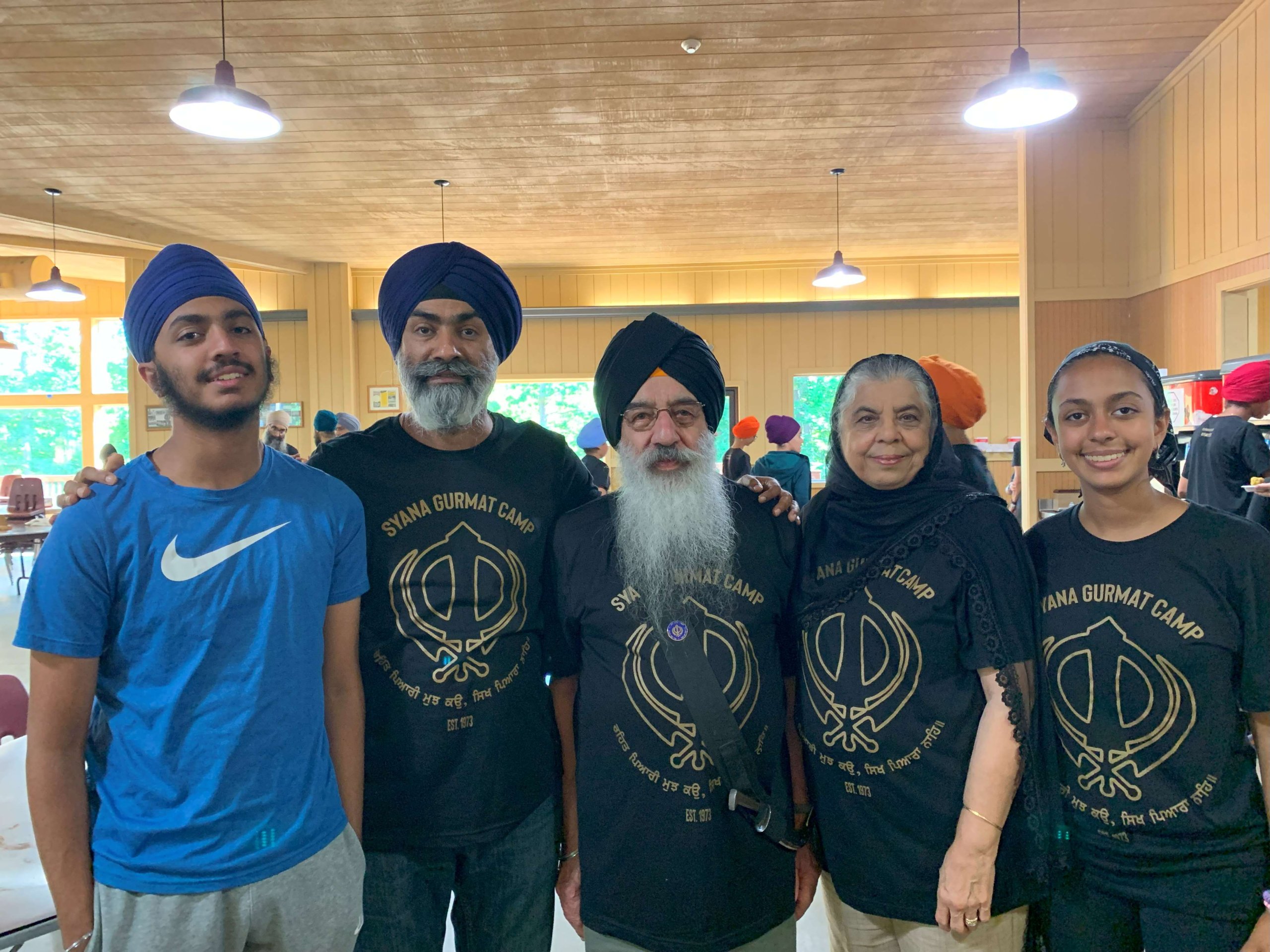 With S. Kuldeep Singh Ji and Sardarni Arminder Kaur Ji at SYANA Gurmat Camp, 2023
A Message for the Future
S. Kuldeep Singh Ji often expressed one important wish: because SYANA operates with limited resources and can only accommodate a limited number of children, he strongly urged other Sikh organizations, leaders and participants to take inspiration from these camps and start similar programs in their own local areas. He believed it is very important for parents living abroad to provide this environment to their children regularly; without it, keeping future generations connected to Sikhi will become very difficult.
A Living Legacy
S. Kuldeep Singh dedicated his time, his family life, and his abilities to the service of the Panth. His extended sangat-family, stretching from Punjab to the United States and Canada, will keep his legacy alive. The truest tribute we can offer him is not only to remember him, but to walk the path he illuminated: placing the interests of the Khalsa Panth first and creating living Gurmat environments for future generations.
The following Gurbani lines feel especially fitting when reflecting on his life:
ਸੇਵਕ ਕੀ ਓੜਕਿ ਨਿਬਹੀ ਪ੍ਰੀਤਿ ॥ ਜੀਵਤ ਸਾਹਿਬੁ ਸੇਵਿਓ ਅਪਨਾ ਚਲਤੇ ਰਾਖਿਓ ਚੀਤਿ ॥੧॥ ਰਹਾਉ ॥
“The love which the Lord's servant feels for the Lord lasts forever. In my life, I served my Lord and Master, and as I depart, I keep Him enshrined in my consciousness.” (Translation Source: SikhiToTheMax)
In the context of S. Kuldeep Singh Ji’s life, these lines feel deeply fitting. His seva continued through his youth, his professional life, his family life, and his elder years. Even in his final days, he had returned from leading a Sikh Youth Retreat, continuing the same mission that guided him for decades: connecting children, youth, parents, and sevadars with Guru Sahib’s path.
His memory will remain truly alive as long as we continue this seva — by building Gurmat camps, retreats, symposiums, and sangat-centered spaces where future generations can learn, live, and love Sikhi.
Watch the full Interview: https://youtu.be/qWO_YREhiFY
Related articles and resources:
50 Years of SYANA Gurmat camp:
https://www.sikhnet.com/news/syana-sikh-gurmat-camp-completes-50-years
Sikh Youth Symposiums:
https://www.sikhnet.com/news/empowering-sikh-youth
https://www.sikhnet.com/news/regional-syana-sikh-youth-symposium-2024
Sikh Youth Alliance: