
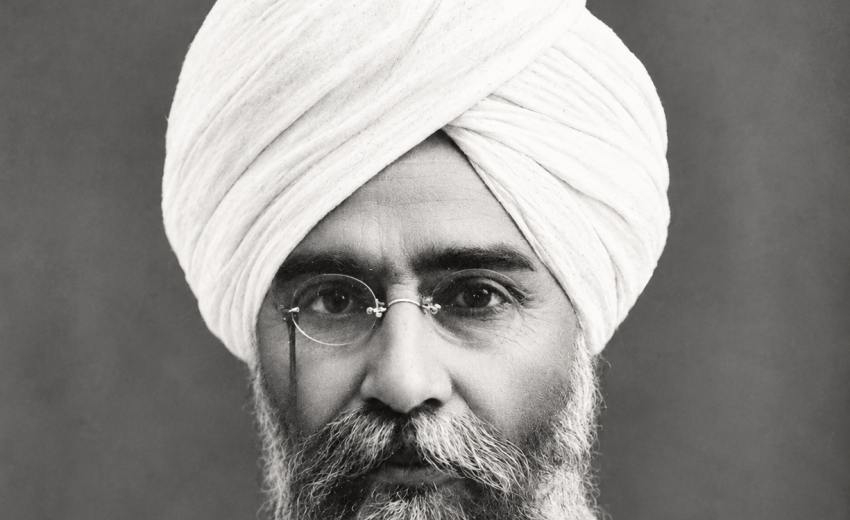

SIKHS & HINDU NANAKPANTHIS IN QUETTA, BALOCHISTAN: THEIR HISTORY AND PRESENT STATUS
Background
The Hindus of Balochistan, like their co-religionists in Pakistan, revere Guru Nanak and Guru Granth Sahib, the Sikh scripture. They profess and identify as Hindus and continue to worship Hindu deities and sometimes living saints or hereditary spiritual heads. Interestingly, becoming a Khalsa is seen as a conversion and is met with resistance. Some youngsters who became Keshdhari have shared their experiences with the writer. Hence, it is appropriate to refer to them as Hindu Nanakpanthis rather than Sahajdhari Sikhs. As per the 2023 Pakistan Census, there are 59,107 Hindus in Balochistan, making up about 0.41% of the province’s total population.
Modern History
The first detailed account of Balochistan in modern times is that of Henry Pottinger, who undertook an expedition through Balochistan in 1810 to map and research the region for the East India Company amid fears of a French or Russian invasion of India.
On Hindus in Balochistan, Pottinger writes, ‘Hindus are to be found at the ports of Sonmiani and Gwadar, on the Las and Makran coast, but rarely, except at Kalat, in the towns of the interior’. He notes that they were the mercantile community of Multan and Shikarpur (Sindh).
Pottinger adds that Mahabat Khan (r. 1734-49), ruler of the Khanate of Kalat, close confidante and contemporary of Nadir Shah, ruler of Persia who is notorious for his loot and destruction of North India in 1739, was a tyrant and held Hindus in ‘such utter detestation that he did everything possible to prevent their remaining in his dominions’.
However, his brother and successor Nasir Khan (r. 1749-94) encouraged Hindus to come back and trade and remitted many of the taxes imposed on merchandise by his brother. He fixed them at a moderate rate. Nasir Khan even revived the old grant made by one of his predecessors which allowed Hindus to impose a levy of 25 percent on every camel-load of goods entering the bazaar for the maintenance of the Goddess Kali temple and its priests at Kalat1.
There were Hindus in important positions as well. Charles Masson (1842) refers to the Hindu agent, Diwan Bacha of Khan of Kalat, who looked after finances and represented the Khan in his dealings with the British2.
Guru Nanak’s Visit to Balochistan
In 1969, to coincide with the 500-year birth centenary celebration of Guru Nanak, Dr Kirpal Singh produced a monumental work, Janamsakhi Parampara (Tradition), which contains a wealth of knowledge on the life and times of Guru Nanak. The work quotes Miharban Janamsakhi, which contains a Sakhi titled Guru Ji Hinglaj Vich (Guru Ji at Hinglaj). The Hinglaj Devi Temple is situated in Hingol National Park, Lasbela district of Balochistan. Guru Nanak visited this place on his journey to Mecca.
The temple is an important destination for Hindus living in Sindh and even receives devotees from India. The local Muslims call the shrine ‘Nani Mandir’. Nani in sub-continental languages means maternal grandmother. Charles Masson (1842) has given an interesting explanation that Hinglajis also revered by the Muslims as the shrine of Bibi Nani (the Lady Nani). He further adds that it is possible people have preserved the ancient name Nanalaj, goddess of the ancient Persian and Bactrian people. Inanna was a Goddess in the ancient Sumerian civilisation, and Nanna was a goddess in Notre culture.
When Guru Nanak reached the Valley of the Hingol River, some sadhus came to meet him. They saw him attired like a Haji and were surprised at this. They could not make out if he was an ascetic or a Bairagi, Vaishnava, Hindu or Muslim, Khatri or Brahmin, Vaishya or Sudra. They asked him, ‘O Beloved of God! What is your dress and what do you eat? Also, please let us know about yourself so that we can make out as to what should be your diet and could serve you appropriately’. Inreply to it, the Guru uttered the following hymn (shabad):
They, who make truth their fasting, contentment their pilgrim-station,cognition and meditation their ablution,
Compassion their deity and forgiveness their rosary; the most sublime are those persons.
They who make the right way their lion-cloth, consciousness their sacred enclosure, good deeds their frontal-mark, and the Lord’s love their food; few, very few are such men, O Nanak.
(Guru Granth Sahib, p. 1245)
When the sadhus listened to these words of the Guru, they fell at his feet. The footsteps of Guru Nanak have been preserved on the hill at Hinglaj, and the place is known as Guru Nanak Kharao.
Hari Ram Gupta writes that during Maharaja Ranjit Singh’s time (1799–1839), the Baluchi tribes were a force to reckon with in the Derajat area in South Punjab. Dr. Gupta has given details of the Maharaja’s several expeditions and subjugation of these tribes, including the Mazaris through battles and diplomacy. At that time, Sindh was ruled by Baluchi chiefs of the Talapur tribe. The Mir brothers who ruled Sindh kept on sending gifts to the Maharaja but avoided giving annual tribute4.
Indigenous Hindus& Sikhs
Between the years 1911 and 1931, the Balochistan Census recorded the Muslims, Hindus and Sikhs as both indigenous and alien. The latter were the immigrants who lived in districts, mainly in the Quetta region. The former lived mainly in princely states. The immigrants from Punjab, Sindh and other Indian provinces were classified as alien.
Sikhs
Year Indigenous Alien Indigenous %
1911 2799 5591 33%
1921 841 6900 11%
1931 48 8377 0.6%
Hindus
Year Indigenous Alien Indigenous %
1911 14985 22617 40%
1921 17479 33869 34%
1931 16905 36778 32%
The Census of Balochistan in 1931 notes that in relation to people who previously had maintained that they were Sahajdhari (Sikhs) had now (in 1931) declared themselves as Hindus, ‘The only link between these persons and the Sikh religion was the Sikh scripture. They knew little of their own. They read the Sikh scripture but performed other rites in the manner of their brethren in Sind. A hint from their religious teachers, whose visits have become more frequent of late, had the desired effect and they almost bodily went back to the religion which they in reality professed.’
The Hindus were categorised in the following castes namely Arora, Gurkha, Khatri, Rajput, Brahman, Arya (Samaji), Depressed classes (scavengers, cobblers, sweepers) and others. The Gurkhas were definitely ‘alien’; they were part of the Gurkha regiment posted in the province. The report suggests that most of the depressed classes were also ‘alien’5.
In 1941, there were 49,227 (53,681 in 1931) Hindus and 12,044 Sikhs (8,425 in 1931 Census) in Balochistan constituting 6.34 percent and 1.4 percent of the total population of the province.6 In terms of Sikhs, the Census notes, ‘(Sikhs) have made sustained and systematic efforts to bring the member of their community under strict religious control. The appreciable increase in the number of the Keshdharis though only at the cost of the Sahajdharis shows plainly enough that their efforts have not been fruitless’.
Year Keshdhari Sahajdhari Others
1911 4613 3777 …
1921 6603 1138 …
1931 7489 735 201
Both Hindu and Sikh leaders made some efforts to bring people into their fold. In the former case, a lot of people started to put themselves as Hindus in the census but did not stop reading Gurbani.
In the latter case, many Sahajdhari Sikhs took Khande di Pahul and became Khalsa Sikhs. In the 1931 Census, there is some information on the clan/tribe amongst Sikhs. 2612 Sikhs were recorded as Jatt, 134 as Chuhra, 2070 Sikhs and other caste (no details provided) were 3561.5
Prominent Sikhs during the British era
The Encyclopaedia of Sikhism mentions that the city of Quetta hosted a number of prominent Sikhs who lived there for many years before partition. Among them were Babu Labh Singh (d. 1947), freedom fighter and Akali leader; former Akal Takht Jathedar Sadhu Singh Bhaura (d. 1984); and Dr Jaswant Singh Neki (d. 2015). Gadarite Hira Singh (d. 1929) came to Balochistan and Sindh to incite revolt among the local people.
Administration Report of the Balochistan Agency for 1936-37 notes that Madan Gopal Singh, MA, was appointed Educational Adviser to the Balochistan Administration and Sardar Shiv Chran Singh, M.B.B.S., House Surgeon, Quetta, received the title of Sardar Sahib.
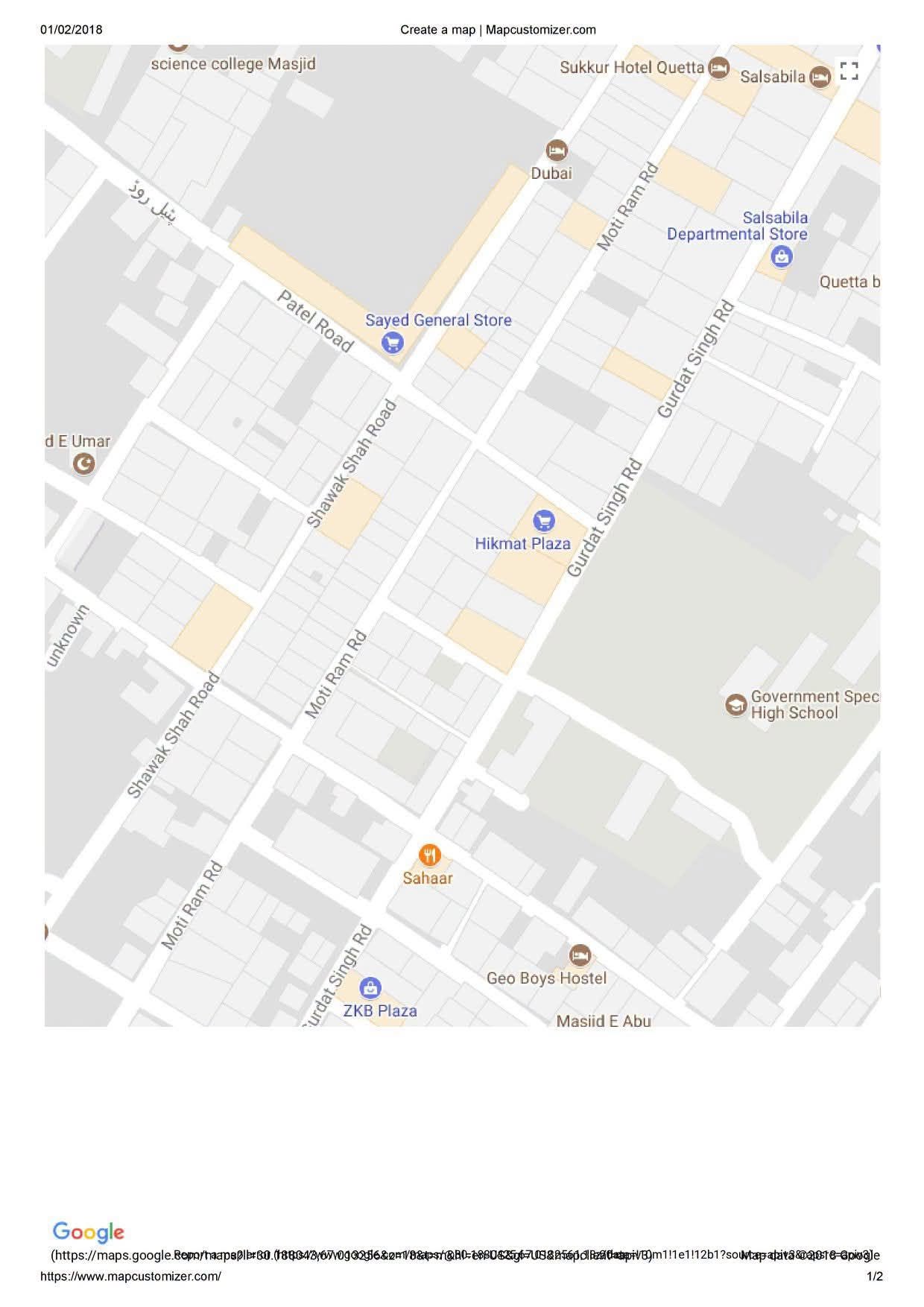
Sardar Gurdit Singh, Extra Assistant Commissioner (Retired), Balochistan, was conferred the title of Sardar Bahadur on 3rd June 1929.7 He was previously Under Secretary and Agent to the Governor-General and Chief Commissioner of Balochistan. He was one of the founding fathers of the Khalsa High School at Gurdit Singh Road, Quetta, which was established in 1904. Post-partition, the school was designated as Government Special High Secondary School. Considering his administrative and philanthropic contributions, a road in Quetta was named after him.
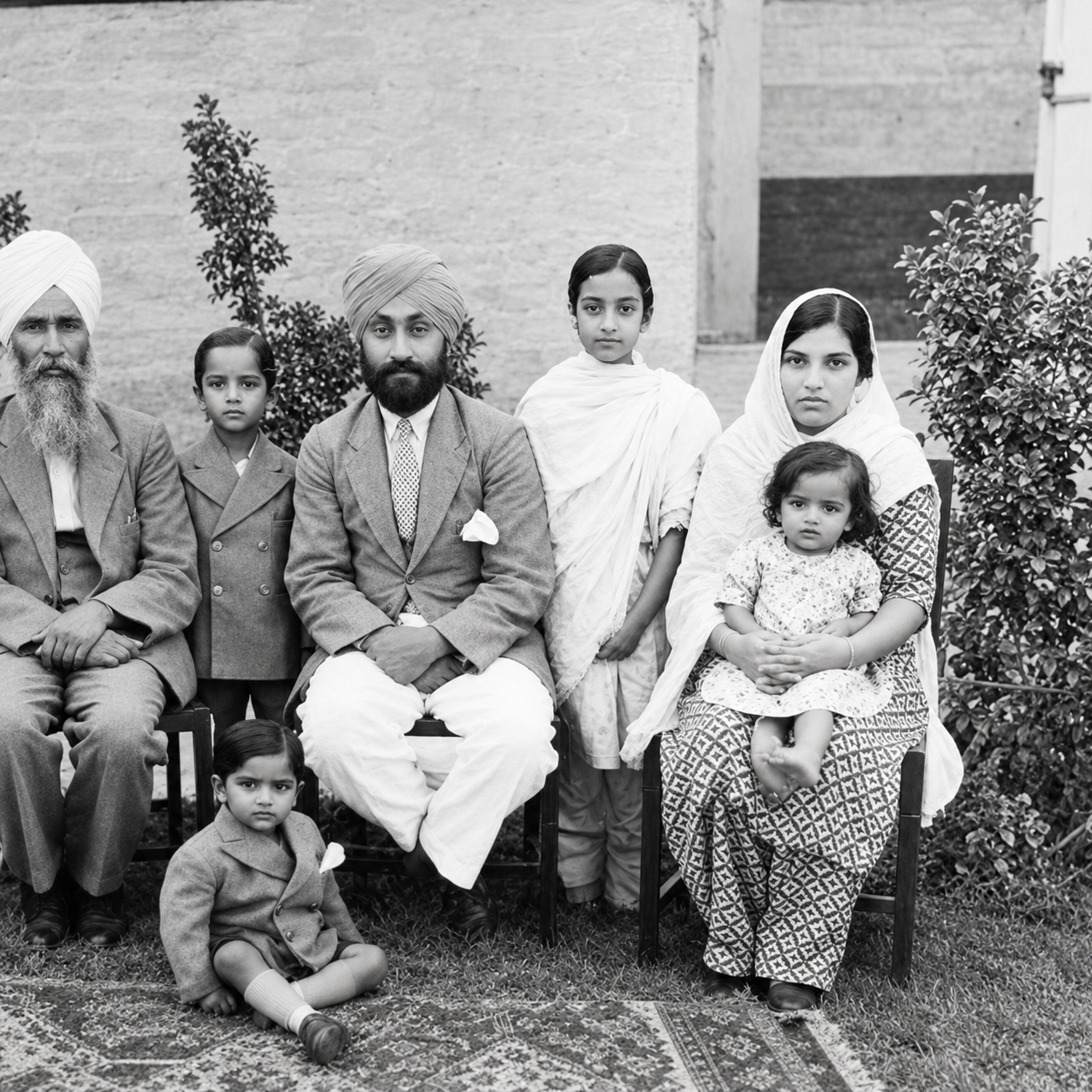
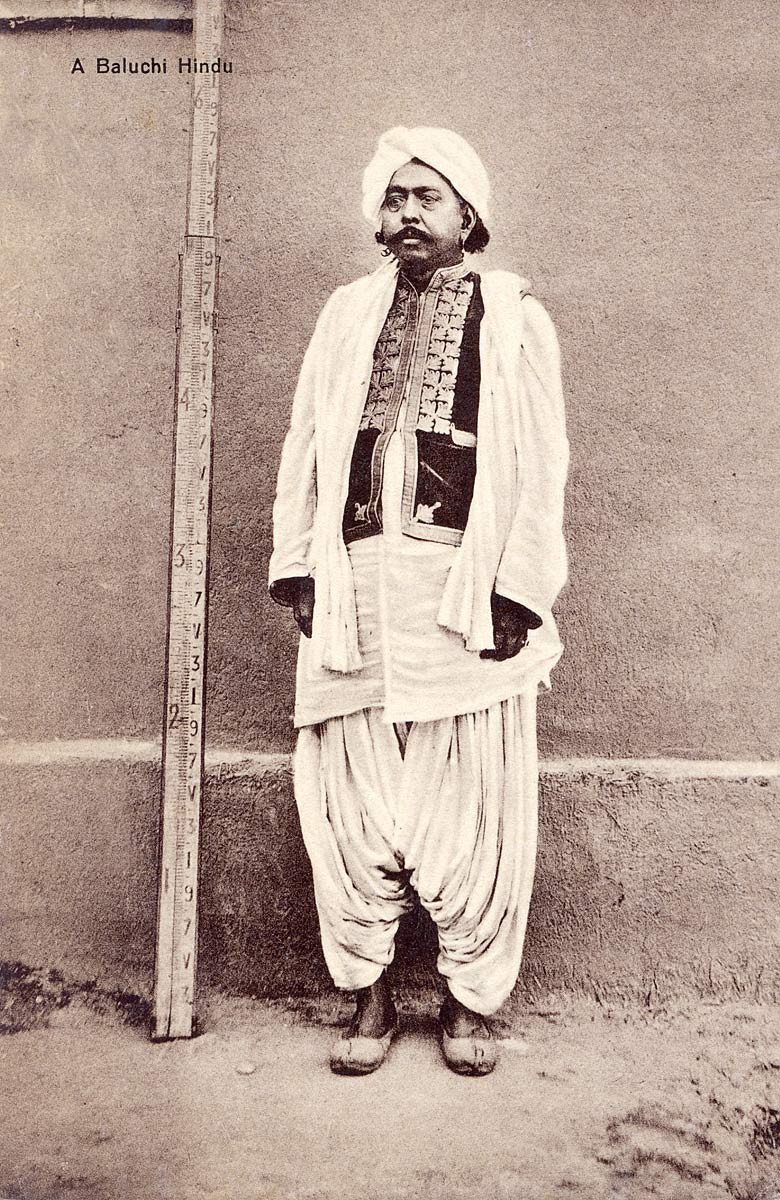
Karam Singh, Historian di Ithasik Khoj (1960), edited by Heera Singh Dard, notes that the historian was made aware that the Khan of Kalat had an old manuscript which had valuable information on Sikhs. Karam Singh went to Rai Bahadur Sardar Sadhu Singh at Sibi (Balochistan) in February 1906. By next month, the copy of the manuscript was delivered to them at Quetta. Sardar Karam Singh later translated the Persian manuscript Jangnama by Qazi Nur Mohd in Punjabi.
Balochistan District Gazetteer Series. Volume V. Quetta-Pishin District 1907 states that a Punjabi Sikh established the Curzon Press in September 1902. It was one of the 3 printing presses in Quetta at the time. The other two were the Victoria Press, opened in March 1888, and the Albert Press, opened in December 1891, both opened by Parsis.
The same Gazetteer states that one of the channels from the Lora River was built in 1887 by one Gurdit Singh of Peshawar at a considerable cost for irrigating the lands. He later acquired half of the land. The town Tirkha Gurdit Singh still exists by the same name in Quetta district. Tirkha means locality or residential settlement in the local language.
Natha Singh Street is a historical street located off Jinnah Road (formerly Bruce Road) in Quetta. It is named after Sardar Natha Singh, an eminent and wealthy Sikh citizen who lived in Quetta during the British era.
Present Situation
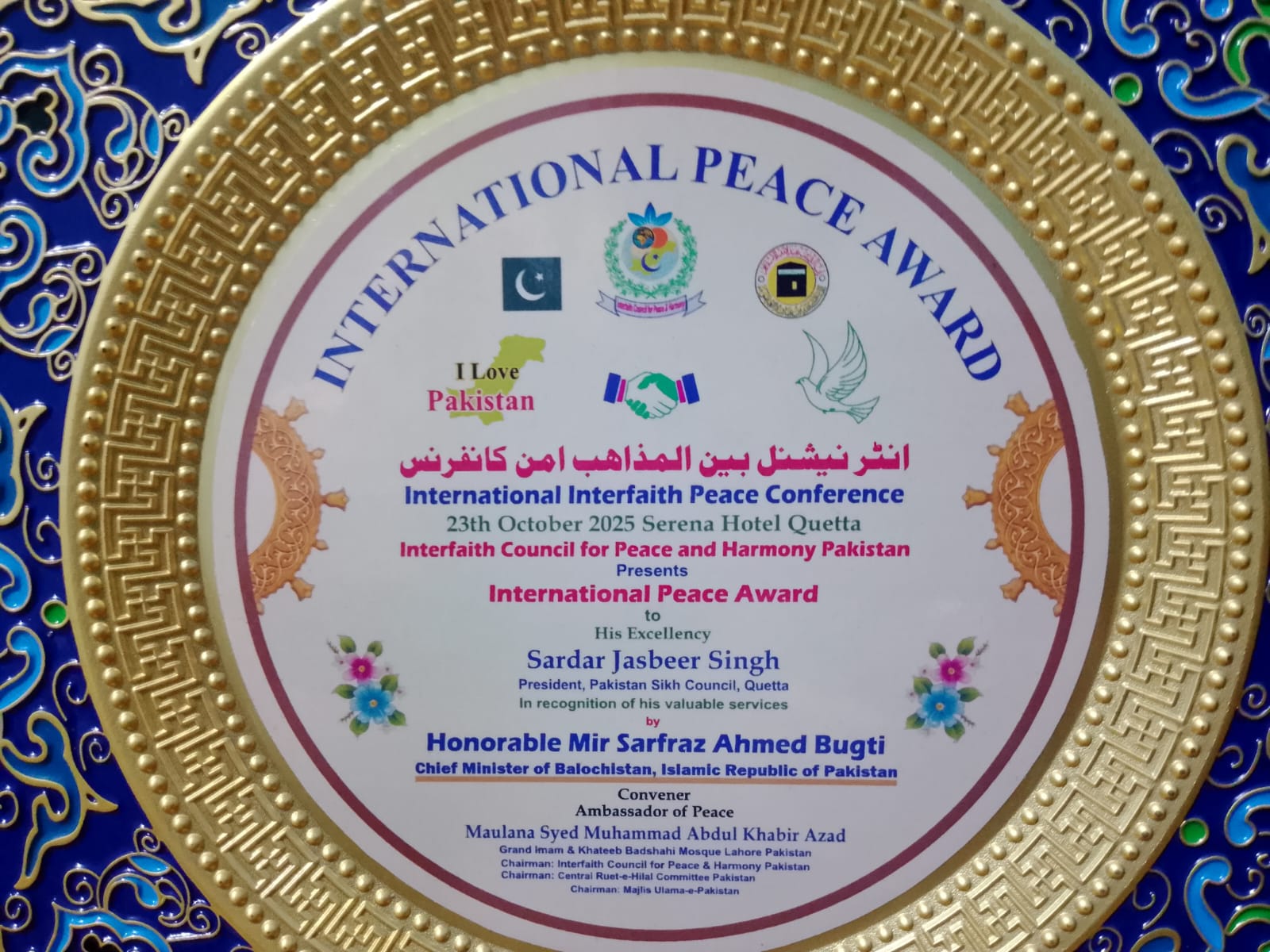
Quetta, the capital of Balochistan, is the main city of the province. Almost one-third of the state’s population lives in the Quetta division. Jasbir Singh, Chairman, Balochistan Sikh Council, Quetta, is a prominent Sikh leader and has been running the charity, Khalsa Parbandak Sewa Kaar Society, Balochistan, for the past 30 years. His brother Arshad Jeet Singh is a well-known Kirtaniya in Pakistan. Due to their efforts, there are now about 500 Keshdhari Sikh families in Quetta. Prior to their efforts, there were hardly any turban-wearing Sikhs in Balochistan. Following the partition of British India, more than 90% of Sikhs left Balochistan. The few Sikhs who did not leave had to remove their turbans and cut their long hair to escape from the intense hostility of local Muslims. Although not a single Sikh in Balochistan and Sindh killed anyone, they had to bear the brunt of the hatred due to Muslim – Hindu/Sikh riots in Punjab.
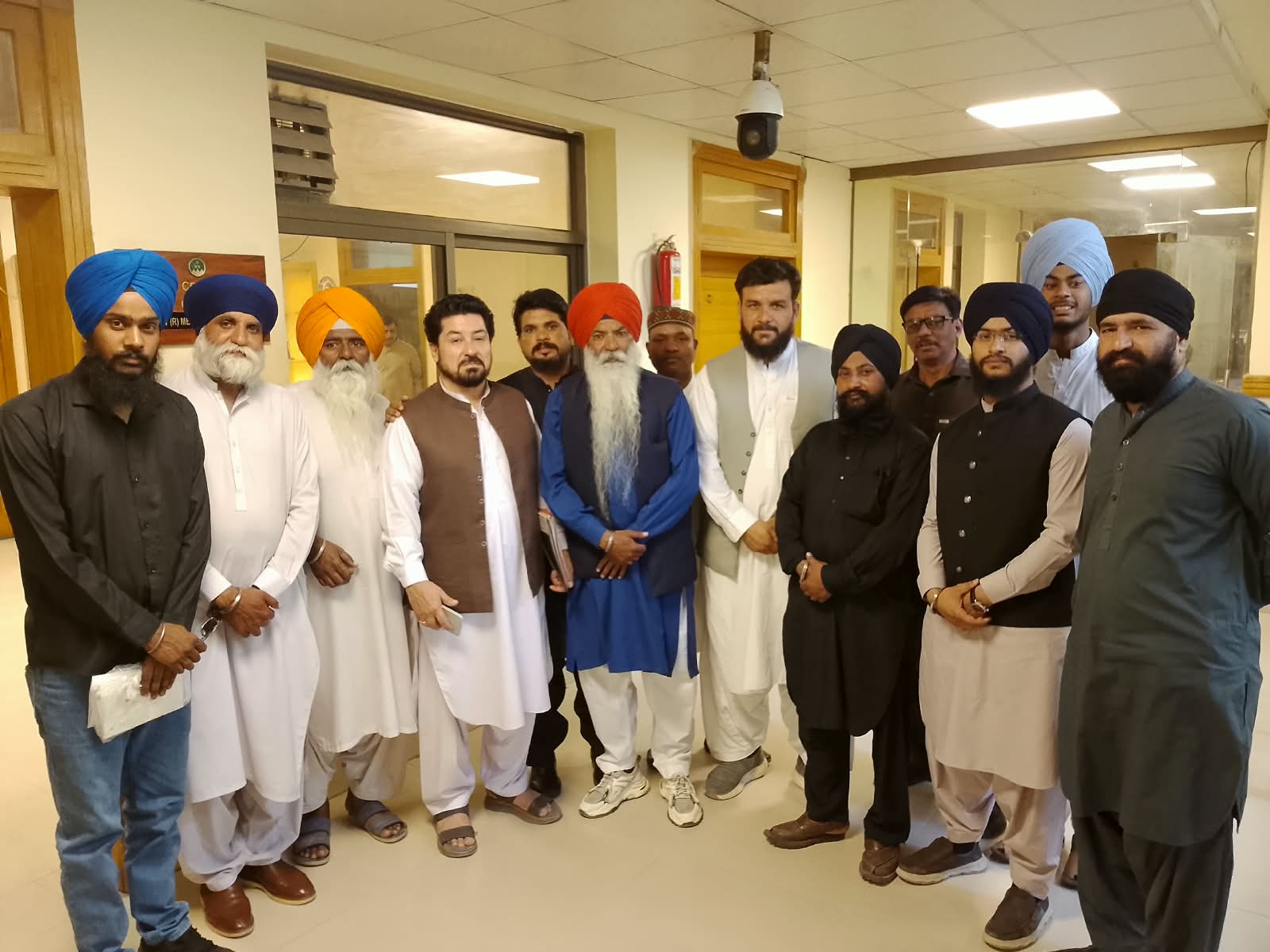
Jasbir Singh speaks fluent Punjabi in the Central Punjab dialect and informs that his family belongs to the Shergill clan of Jatts from Amritsar district that came to Quetta almost 200 years ago. His family established the first Gurdwara Sahib in Quetta (and perhaps in Balochistan). In the beginning, it was Thara Sahib; then a small room was added, followed by a hall. The Gurdwara survived the 1935 earthquake and the partition. It remained with the Sikhs throughout this period. The congregation mainly includes Punjabi Sikhs, Nanakpanthis and Christians. During the first three decades of Pakistan’s independence, some Hindus and Sikhs converted to Christianity to escape discrimination and to avail the education facilities. These people continue to have a soft corner for the Sikh religion and continue to visit the Gurdwara.
Jasbir Singh filed a petition with the Balochistan High Court in 2015 regarding the 13 pre-partition Gurdwaras in Quetta district. Hence, in 2019, the Siri Guru Singh Sabha Gurdwara at Masjid Road, Quetta was handed over to the Sangat after winning the case in Session, High and then the Supreme Court. The building was repaired and renovated, and on 1st March 2020, the Gurdwara was reopened for Sangat, for the first time after 1947.
Demolition Of Gurdwara Building
The Saint Gabriel’s Primary School on Archer Road in Quetta, Pakistan, was quietly demolished in the last week of June 2026. The site was Siri Guru Singh Sabha Gurdwara, which was built almost 100 years ago by Sardar Bahadur Sardar Gurdit Singh. A Gurmukhi School was also run on this site. After 1947, most Sikhs left Pakistan, including Balochistan. The building was given to the Christian community, and a primary school has been running since 1953 in the same Gurdwara building. A commercial builder started building a Shopping Plaza on the site. For the next two months, neither the Sikh diaspora nor the Sikh leadership in East Punjab took any notice. On 26th August, Sardar Tarlochan Singh, ex-MP and former Chairman, National Commission on Minorities, wrote a polite letter to the Pakistan High Commissioner in New Delhi. This had a ripple effect, and in the next few days the matter was reported in newspapers in Punjab and North India. Subsequently, this was raised by the President of the Shiromani Gurdwara Parbandhak Committee and eventually by the acting Jathedar of Akal Takht. The local Consumer Forum, which was entirely of Muslims, came out in support of the Sikhs. Finally, after much effort, on 16th September the Office of the Commissioner, Quetta Division, Quetta stopped the construction of a commercial plaza at the site where Saint Gabriel Primary School, formerly Gurdwara Siri Guru Singh Sabha, existed. The Commissioner also instructed ETPB (Evacuee Trust Property Board) to convene a meeting with Sikhs community of Quetta to produce a viable solution to the land issue and submit it to the Commissioner’s Office.
As of 20th September 2026, Pakistan Sikh Gurdwara Parbandhak Committee (PSGPC) and its 10 members, including their President Ramesh Singh Arora, who is also the Minister for Minorities Affairs for the Government of Punjab, Pakistan, have kept quiet on this issue. Similarly, the Sikh diaspora in the USA, Canada and U.K. turned a blind eye to the matter. Their silence on this matter is deafening.
Conclusion
Sardar Ramesh Singh Arora, President of PSGPC and a provisional minister, is seen by Sikhs all over the world as the leader of Sikhs in Pakistan. He needs to rise to the occasion, as there will be matters in the future that will need his intervention. He and members of PSGPC need to learn the art of having difficult conversation and public speaking. The Sikh diaspora needs to shed their unconscious bias against non-Punjabi Sikhs. Jasbir Singh made it clear in the beginning that the demolition of the Gurdwara building was not an anti- Sikh action but a typical case of grabbing a posh location by the land mafia. There is a general perception in Pakistan that their government is friendly with diaspora Sikhs and vice versa. The local Muslims who were sympathetic to the Sikh cause kept advising him to contact Sikhs in the Western Hemisphere, but they decided to sweep it under the rug. The Sikhs in Balochistan and Sindh are poor and need our help. It is high time that we have the first Sikh school in Pakistan. Alternatively, we should start sponsoring further and higher education for Sikh students in Balochistan and Sindh.
(Originally published in Abstracts of Sikh Studies: Oct -Dec 2026 / 558 NS)
* The writer is the member of IOSS and author of the book, Afghan Hindus & Sikhs: History of a Thousand Years. He has a keen interest in Sikhs and Nanakpanthis in Pakistan and has written several articles on them.
~~~
References
1. Henry Pottinger. (1816). Travels in Beloochistan and Sinde. London: Longman.
2. Charles Masson. (1842). Narrative of Various Journeys in Balochistan,
Afghanistan and the Panjab. London.
3. Kirpal Singh. (1969). Janamsakhi Parampara. Patiala: Punjabi University. p. 122
4. Hari Ram Gupta. (1991). The History of the Sikhs, Vol. 5: Maharaja Ranjit
Singh. New Delhi: Munshiram Manoharlal Publishers. p198-200
5. Gul Muhammad Khan. (1934). Census of India 1931, Vol IV: Balochistan
Part 1 and 2. Lahore. p152
6. E.H. Gastrell. (1942). Census of India 1941, Vol IV: Balochistan Part 1 and
2. Lahore. p14
7. The Quarterly List of the Foreign & Political Department No. 117,
New Delhi 1936. p.149.


