
Introduction to Aadh Guru Granth Bhagat Mala
These short stories have been taken from Aadh Guru Granth Bhagat Mala and translated into English. The purpose of translating these stories is to provide understanding and emphasise its significance when reciting Gurbaani and Bhai Gurdas Ji Vaaran.
The Sikh Gurus, Bhagats and Bhatt (bards) within Sri Guru Granth Sahib Ji have made references to various great saints and disciples who existed at the time of the Hindu deities in different Yugas. These narratives are presented not to venerate Hindu deities; rather, they serve solely as references to illustrate the value of faith and understanding the importance of meditating upon the Lord’s Name.
The stories provide examples from the lives of many revered saints, aristocrats and common people serving as parallels for understanding the power and immense greatness of the One Lord, Vaheguru. They highlight the importance of living by faith and Dharma, and how meditation upon the Primal Lord leads to liberation from sin and misfortune.
The Story of Raja Janak
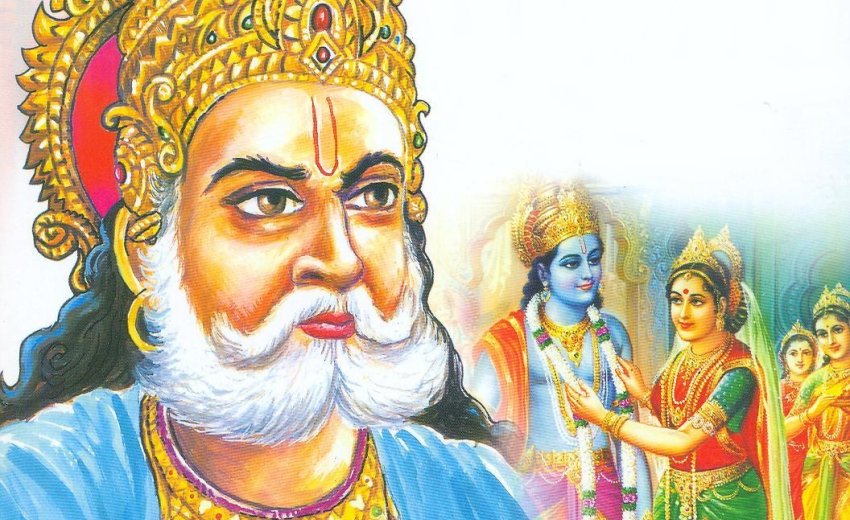
Raja Janak, known as the treasure of compassion, reigned during the time of Ram Chandar. He is equally mentioned in the Vedas and used as an example within Sri Guru Granth Sahib Ji and Bhai Gurdas Ji Vaaran to establish the greatness of meditating upon the One Primal Lord and the fruits of one's meditation.
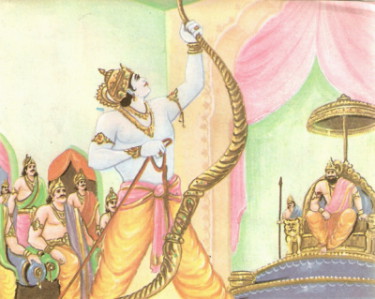 Raja Janak was the father to Sita, the wife of Ram Chandar. He proposed a test of strength, in which suitors from all over the world came to compete for his daughter's hand in marriage. Suitors were required to string the great bow of Shiva and to shoot an arrow with so much power. Only one suitor was successful, that being Ram Chandar, who shot the arrow with so much strength that, the bow broke in half.
Raja Janak became a great devotee of Ram Chandar and became absorbed in meditation upon the Lord. At the time of his death, Raja Janak remembered the Lord. His soul was liberated, and he descended to heaven on a divine chariot.
Upon his journey to Dharam Raj (the righteous judge), Raja Janak passed the pit fires of hell. There he heard the cries of millions of souls, suffering and calling out to him to save them. Raja Janak felt pity and asked Dharam Raj, “Why are they suffering in this place?”
Dharam Raj replied, “They are wretched souls. They have failed to remember the Lord in meditation and have committed countless sins. Now they are made to suffer the pangs of hell due to their past actions. Whatever you sow, you shall reap and this is their punishment.”
Raja Janak could not see the plight of suffering before his eyes and begged Dharam Raj to release them and to end their misery. Dharam Raj said he did not have the authority to do this. However, he advised Raja Janak that the only way in which these souls could be saved is if someone could offer part of their devotion and meditation to their account. Only then these souls can be liberated. 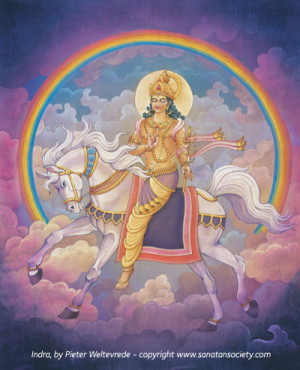
Upon hearing this, Raja Janak said, “Then so be it. I will offer a part of my devotion and remembrance of the Eternal Lord to free these souls.”
Dharam Raj accepted this. Merits from Raja Janak's meditation were added to the accounts of all the souls trapped in hell. They were released by the greatness of Raja Janak's merits and attained divine bodies.
The gateway to heaven was opened to Raja Janak. There, all the deities descended and sang the praises of Raja Janak. Conch shells were blown, drums were beaten, and flowers were showered upon the Raja.
Raja Janak liberated and saved the honour of millions of souls trapped in a realm of misery with the power invested in the Lord's Name from his meditation.
Below is the story of Raja Janak as written by Bhai Gurdas Ji. Vaar 10, Pauri 5:
ਭਗਤੁ ਵਡਾ ਰਾਜਾ ਜਨਕੁ ਹੈ ਗੁਰਮੁਖਿ ਮਾਇਆ ਵਿਚਿ ਉਦਾਸੀ।
King Janak was a great saint who amidst maya remained indifferent to it.
ਦੇਵ ਲੋਕ ਨੋ ਚਲਿਆ ਗਣ ਗੰਧਰਬ ਸਭਾ ਸੁਖਵਾਸੀ।
Along with Gans and Gandharvs (celestial musicians) he went to the abode of the gods.
ਜਮਪੁਰਿ ਗਇਆ ਪੁਕਾਰ ਸੁਣਿ ਵਿਲਲਾਵਨਿ ਜੀਅ ਨਰਕ ਨਿਵਾਸੀ।
From there, he, hearing the cries of inhabitants of hell, went to them.
ਧਰਮਰਾਇ ਨੋ ਆਖਿਓਨੁ ਸਭਨਾਂ ਦੀ ਕਰਿ ਬੰਦ ਖਲਾਸੀ।
He asked the god of death, Dharamrai, to relieve all their suffering.
ਕਰੇ ਬੇਨਤੀ ਧਰਮਰਾਇ ਹਉ ਸੇਵਕ ਠਾਕੁਰੁ ਅਬਿਨਾਸੀ।
Hearing this, the god of death told him he was a mere servant of the eternal Lord (and without His orders he could not liberate them).
ਗਹਿਣੇ ਧਰਿਅਨੁ ਏਕ ਨਾਉ ਪਾਪਾ ਨਾਲਿ ਕਰੈ ਨਿਰਜਾਸੀ।
Janak offered a part of his devotion and remembrance of the name of the Lord.
ਪਾਸੰਗਿ ਪਾਪੁ ਨ ਪੁਜਨੀ ਗੁਰਮੁਖਿ ਨਾਉ ਅਤੁਲ ਨ ਤੁਲਾਸੀ।
All the sins of hell were found not equal even to the counterweight of balance.
ਨਰਕਹੁੰ ਛੁਟੇ ਜੀਅ ਜੰਤ ਕਟੀ ਗਲਹੁੰ ਸਿਲਕ ਜਮ ਫਾਸੀ।
In fact, no balance can weigh the fruits of recitation and remembrance of the Lords name by the Gurmukh.
ਮੁਕਤਿ ਜੁਗਤਿ ਨਾਵੈ ਦੀ ਦਾਸੀ ॥੫॥
All the creatures got liberated from hell and the noose of death was cut. Liberation and the technique of attaining it are the servants of the name of the Lord.
Authors who mention Raja Janak in Sri Guru Granth Sahib Ji:
Guru Raam Das Ji, Ang 995, 1309
Bhatt Kal, Ang 1389, 1390, 1398, 1407
Bhatt Kal Sahaar, Ang 1391