
Introduction to Aadh Guru Granth Bhagat Mala
These short stories have been taken from Aadh Guru Granth Bhagat Mala and translated into English. The purpose of translating these stories is to provide understanding and emphasise its significance when reciting Gurbaani and Bhai Gurdas Ji Vaaran.
The Sikh Gurus, Bhagats and Bhatt (bards) within Sri Guru Granth Sahib Ji have made references to various great saints and disciples who existed at the time of the Hindu deities in different Yugas. These narratives are presented not to venerate Hindu deities; rather, they serve solely as references to illustrate the value of faith and understanding the importance of meditating upon the Lord’s Name.
The stories provide examples from the lives of many revered saints, aristocrats and common people serving as parallels for understanding the power and immense greatness of the One Lord, Vaheguru. They highlight the importance of living by faith and Dharma, and how meditation upon the Primal Lord leads to liberation from sin and misfortune.
Bhagat Angra Ji
ਦੂਰਬਾ ਪਰੂਰਉ ਅੰਗਰੈ ਗੁਰ ਨਾਨਕ ਜਸੁ ਗਾਇਓ ॥
Doorbassaa, King Puro and Angra sing the praises of Guru Nanak.
(Bhatt Kal; GGSJ: Ang 1390)
Angra was once a great king, but there was one thing that continually played on his mind. He believed that meditation and living in accordance with the Lord’s Will was what he needed to do. He believed it was his duty to take on all responsibilities whenever someone was in distress or facing difficulty. He did not want to carry this burden.
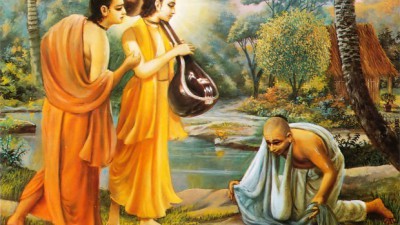 One day Narad Muni came to Angra and asked him why he looked so troubled. He responded in great distress, “I have a desire to just give up my kingdom and remain detached from this whole world and go into meditation. I want to sing the praises of the Lord. I do not wish to carry the burden of others and have the responsibilities that come with being a king.”
On hearing Raja Angra’s words, Narad Muni said, “What you have said is true. Your mind is not content with having a status of a Raja. Whatever your mind desires, you should follow this. But if your mind desires bad things then this is not good and you will not find eternal bliss and is the cause of pain and misery.”
Raja Angra felt reassured that leaving his kingdom was what he really wanted and that is what he did. Angra left his whole kingdom and gave it to his brother. He became deeply absorbed in meditation that he was blessed with the wisdom of becoming a well renowned poet of Sanskrit. He chanted the Vedas and Simritis in the year 17 BC.
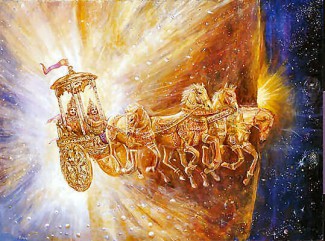
When the time came for Raja Angra to leave this world and make his way to the heavens, the Lord sent the deities down to earth to bring Raja Angra to Him on a chariot. The deities blew conch shells and sounded the drums and bells upon his arrival.
Bhagat Bidar
ਬਿਦਰੁ ਦਾਸੀ ਸੁਤੁ ਭਇਓ ਪੁਨੀਤਾ ਸਗਲੇ ਕੁਲ ਉਜਾਰੇ ॥੩॥
Bidar, the son of a slave-girl, was purified, and all his generations were redeemed.
(Guru Arjan Dev Ji; GGSJ: Ang 999)
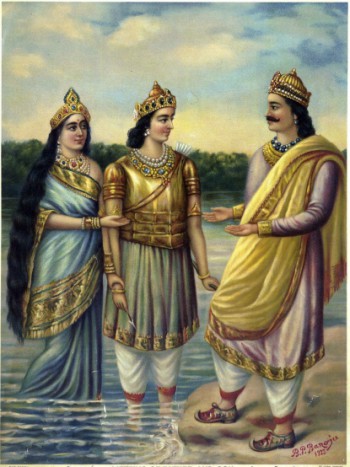 One day, Queen Satyavati instructed her daughter-in-laws to visit her eldest son, Biaas, with the intention of securing an heir for the throne and ensuring the continuation of the royal lineage. Both daughter-in-laws did not wish to have a child with Biaas because he was not attractive. Reluctantly they both had a son each, just to please Queen Satyavati. Amba’s son’s name was Dhirtrashastar, who was blind at birth and Ambka’s son became one of the Pandav’s.
Ambka detested Biaas’ appearance and could not bring herself to have another child with Biaas. To keep Queen Satyavati happy, Ambka sent one of her female servants at night and told her to get pregnant by Biaas. Nine months passed and Ambka’s servant had a son, whose name was Bidar. Bidar was treated differently because it was learned that he was not the son of Ambka, but a son of a slave.
The Pandav’s eldest son ruled the kingdom, but he died when he went on a religious pilgrimage. Bidar was refused the kingdom because he was a son of a servant and was not seen as royalty. Instead, Dhirtrashastar became king. Dhirtrashastar sent Bidar and his wife away and were left with nothing. Both husband and wife lived in a small, shabby hut and began to meditate upon Krishna.
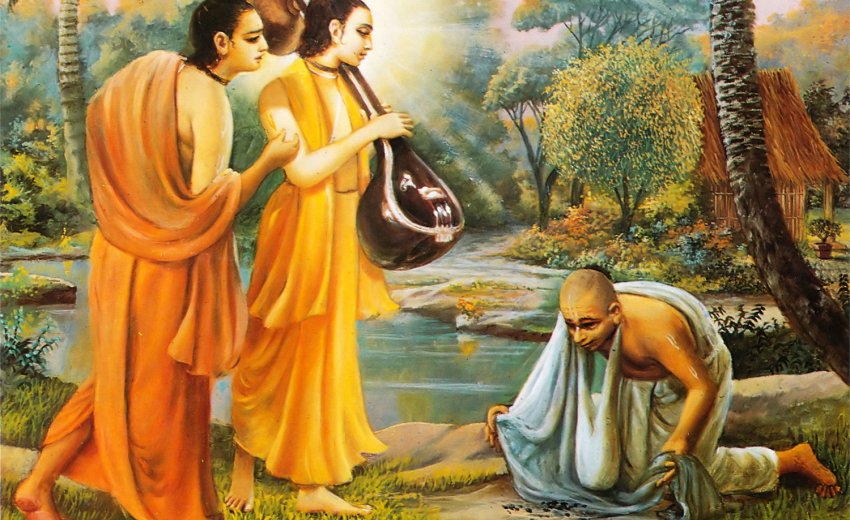
One day Krishna went to visit Duryodhana. Instead of staying within his many grand palaces, Krishna went to stay in the small hut with the pauper, Bidar. Bidar did not have much; he had a small stool to sit on and a small kitchen fire. He was sitting on his stool and was making a spinach curry. At this point, Krishna walked into his hut. Bidar became ecstatic and washed Krishna’s feet. All night he served Krishna and treated him with the utmost respect. He gave Krishna his spinach curry to eat and Krishna ate it with delight.
Bhai Gurdas Ji writes that when Duryodhana heard that Krishna was staying with Bidar, he organised a royal feast. When Krishna reached Duryodhana’s kingdom, Duryodhana asked, “Why didn’t you come to stay in this great palace? Instead, you stayed in a tramp’s hut. If you did not wish to stay with me then why did you not go to stay with the other great kings, like Bisham, Karan and Drouncharia? When we heard you were staying in a hut, we became very angry. What is your problem with us?”
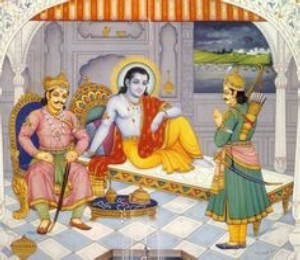 On hearing Duryodhana’s words Krishna began to laugh. Krishna spoke, “Bidar is the king of kings, his hut is pure because he has purity within his heart and speaks only of the Lord. He is neither egoistic nor does he boast about what he has or doesn’t have. This is reason why I was pulled towards that direction and not yours. You have become very egoistic because of the many riches and palaces you possess, but you have forgotten who the Giver of all this is! Your kingdom is the root of your ego; this is why Bidar is a much greater person than you. The
milk in your palace is equal to the water that Bidar drinks. The spinach curry I ate was as delicious as sweet rice pudding. All night he sang the praises of the Lord, but you, all you do is slander others and listen to slander. You envy others, who are better than you!”
Below is the story of Bhagat Bidar as written by Bhai Gurdas Ji. Vaar 10, Pauri 7.
ਆਇਆ ਸੁਣਿਆ ਬਿਦਰ ਦੇ ਬੋਲੈ ਦੁਰਜੋਧਨੁ ਹੋਇ ਰੁਖਾ।
Hearing that Lord Krishan was served and stayed over at humble Bidar's home, Duryodhan remarked sarcastically.
ਘਰਿ ਅਸਾਡੇ ਛਡਿ ਕੈ ਗੋਲੇ ਦੇ ਘਰਿ ਜਾਹਿ ਕਿ ਸੁਖਾ।
Leaving our grand palaces, how much happiness and comfort did you attain in the home of a servant?
ਭੀਖਮੁ ਦ੍ਰੋਣਾ ਕਰਣ ਤਜਿ ਸਭਾ ਸੀਗਾਰ ਵਡੇ ਮਾਨੁਖਾ।
You gave up even Bhikhaum, Dohna and Karan who are recognised as great men who are adorned in all courts.
ਝੁੰਗੀ ਜਾਇ ਵਲਾਇਓਨ ਸਭਨਾ ਦੇ ਜੀਅ ਅੰਦਰਿ ਧੁਖਾ।
We have all been anguished to find that you have lived in a hut”.
ਹਸਿ ਬੋਲੇ ਭਗਵਾਨ ਜੀ ਸੁਣਿਹੋ ਰਾਜਾ ਹੋਇ ਸਨਮੁਖਾ।
Then smilingly, Lord Krishan asked the King to come forward and to listen carefully.
ਤੇਰੇ ਭਾਉ ਨ ਦਿਸਈ ਮੇਰੇ ਨਾਹੀ ਅਪਦਾ ਦੁਖਾ।
I see no love and devotion in you (and hence I have not come to you).
ਭਾਉ ਜਿਵੇਹਾ ਬਿਦਰ ਦੇ ਹੋਰੀ ਦੇ ਚਿਤਿ ਚਾਉ ਨ ਚੁਖਾ।
No heart I see has even a fraction of the love that Bidar bears in his heart.
ਗੋਬਿੰਦ ਭਾਉ ਭਗਤਿ ਦਾ ਭੁਖਾ ॥੭॥
The Lord needs loving devotion and nothing else.
Authors who mention Bhagat Bidar in Sri Guru Granth Sahib Ji:
Guru Raam Daas Ji, Ang 733, 995, 1191
Guru Arjan Dev Ji, Ang 999, 1192